
You don't need a car to enjoy a Gippsland escape. The train from Melbourne runs through a long list of stops, from Southern Cross and Flinders Street out to Bairnsdale, with coach connections at some stops along the way. The catch? Service can be cut for long periods, so a car-free trip works best when you plan around the line, not just the destination.
This guide is for Melbourne readers who assume no car means no Gippsland. It isn't true. We'll show you why a car-free trip is more workable than you think, the four things to have ready before you start, and how to read the line and where it actually goes. You'll learn how to decide what you want within walking distance, where coaches stop, and how to verify walkability town by town yourself. We'll cover checking the service before you book, confirming the practical details nobody tells you, and how all this changes where you book. Stick around for your car-free Gippsland checklist.
Why a Car-Free Gippsland Trip Is More Workable Than You Think
Many Melbourne readers rule out Gippsland the moment they realise there's no car, before checking a map. The map disagrees. A rail corridor runs deep into the region, from Southern Cross through the Latrobe Valley to Sale and Bairnsdale, and coach connections sit beside some stations, extending your reach past the platform. The Bairnsdale to Melbourne via Sale and Traralgon route lists every stop.
One honest frame before we start: basing yourself in a town with a station or coach stop, in a stay you can genuinely walk from, is our recommendation, not a proven finding. The sources behind this guide don't prove viability, so treat it as a method rather than a guarantee. No source we found publishes walking distances from any stop, and the timetable pages wouldn't load for us, so expect a way to check rather than numbers to quote.
It's written for couples, families, groups and weekend travellers after an easy escape from Melbourne, plus anyone who doesn't drive or would rather not. The upside is practical: no parking hunt, no designated driver if your day includes a winery, and a slower rhythm once the town does the work of getting you around. Our Gippsland: What to See, Do and Experience on Your Visit guide is a good place to start.
Before You Start: Four Things to Have Ready
Four things worth sorting before you look at a single listing.
1. A target base town. Transport access decides where you sleep, so it comes first, not last. Shortlist towns by station or coach stop, then browse stays. If you're still mapping the region out, our complete guide to Gippsland is a good starting point.
2. A booking you can change. Closures and bus replacements are a documented reality here: works cancelled all trains between Melbourne, Sale and Bairnsdale for almost two months in 2025, as ABC News reported. Book something you can change if possible, closures and bus replacements are documented on this corridor.
3. A mapping tool you trust. Measure the actual walking route from platform to front door, not straight-line distance. Rail crossings and river bends add real metres.
4. Two bookmarked pages. The V/Line service updates page and the Transport Victoria Gippsland line page. Check status as habit, not afterthought.
Finally, accept that no published source gives walkability data for these stops. The final hundred metres is yours to verify properly.
Step 1: Understand the Line and Where It Actually Goes
Transport Victoria's route 1823 lists the stops in order, here is how to read them as a planner.
Melbourne end first: Southern Cross, Flinders Street, Richmond, Caulfield, Clayton, Dandenong, Berwick and Pakenham, so the opening stage is still city and outer suburban rather than a base for you.
Then the smaller towns: Nar Nar Goon, Tynong, Garfield, Bunyip, Longwarry, Drouin, Warragul, Yarragon and Trafalgar. Several sit a short hop from their town centre, but check each one instead of assuming.
Then it gets genuinely regional: Traralgon, Morwell, Moe, Rosedale, Sale, Stratford and Bairnsdale, where shops and services within walking range are most likely.
One last thing for your return leg: the route ends at the Southern Cross Coach Terminal on Spencer Street.
If a friend drives you part of the trip, the road approach via the Princes Highway (M1) east through Traralgon and Sale, then Paynesville Road from Bairnsdale. The final 15 minutes along the water is the best part.
Step 2: Decide What You Want Within Walking Distance
Knowing the stops is only half the job, the other half is deciding what you need within walking range.
Start with an anchor, not a town: a beach, lake, river or inlet; a trailhead; or a town centre with food and shops. Pick one, or deliberately two.
Match that anchor to town scale. Larger centres like Traralgon, Morwell and Sale are worth checking for shops and services, but measure the actual distance from the station on a map before you rely on any of them; smaller towns trade that convenience for quiet and space.
Be realistic about which combinations exist. Walking from the platform to water is plausible in some towns and simply not in others. Treat every pairing as a hypothesis to test on a map.
Then decide how much walking you actually want. A couple happy to stroll two kilometres each way for dinner plans a different trip from a family with young children and luggage.
Treat each town as a candidate to investigate rather than a ranked pick. If water is your anchor, things to do in Lakes Entrance gives a feel for what a water-first base can offer.
Step 3: Look at Coach Connections and Coach-Served Stops
Once you know what you want nearby, check whether a coach can get you there. Some stops have bus or coach connections beside the station. Check the Transport Victoria route page for current stop names and locations, and measure any routes on a map before you build a day around one.
Coaches also reach towns and connections the train does not serve directly. A coach stop can work as a base even without a platform under your feet, opening up places like East Gippsland.
Confirm current routes, stops and departure times directly through V/Line before booking anything non-refundable. Where a coach links to a train, check how the connection is timed and what happens if the first leg runs late, because a missed connection in a small town is a slow fix.
Step 4: Verify Walkability Town by Town, Yourself
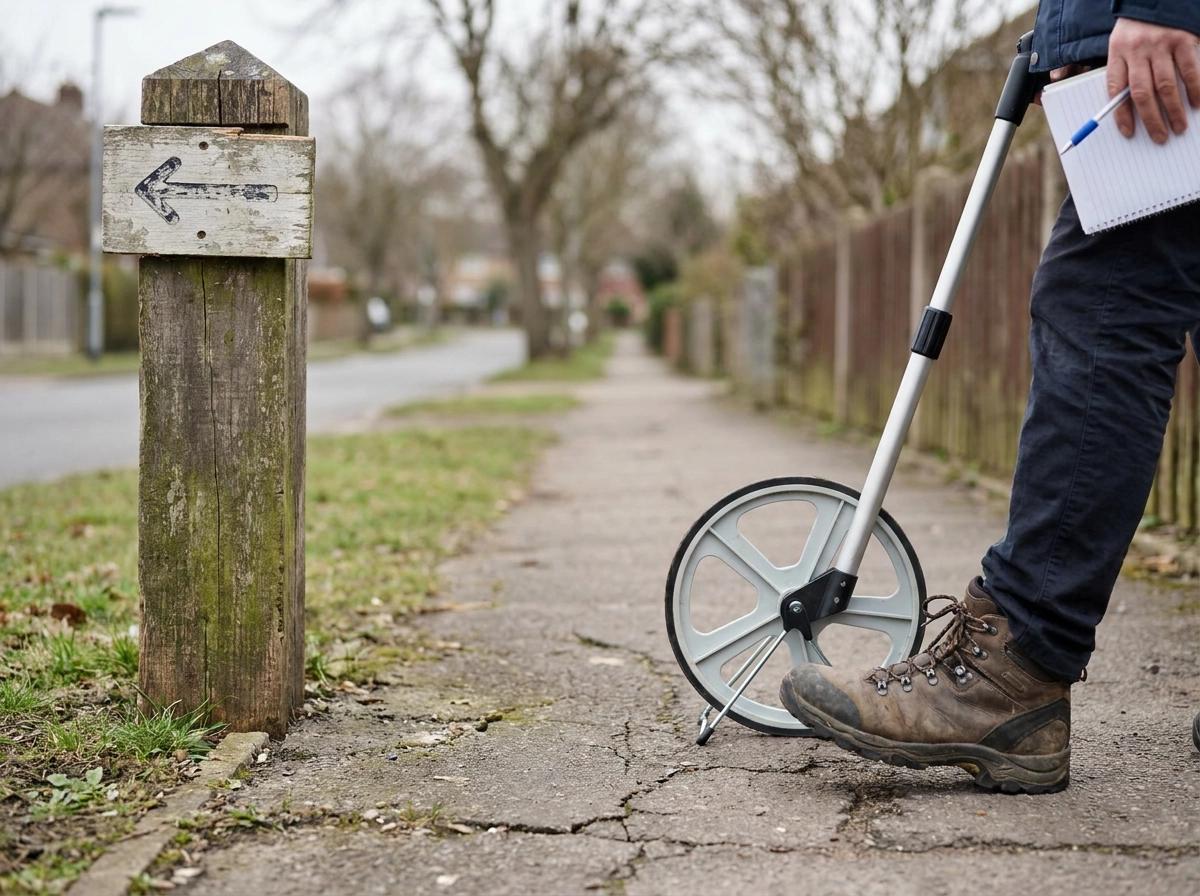
Measure the real walking route, not the straight line. A river, a rail crossing or a freeway on-ramp can turn a short hop into a long detour.
As a rough guide (our own rule of thumb, not a published standard): about one kilometre or less is easy with a daypack; one to two kilometres is manageable with luggage in good weather; beyond two kilometres, plan for a bus, a taxi or a different base.
Then check what the map can't tell you: hills, unsealed shoulders, missing footpaths and dim lighting. That two-kilometre stroll feels very different at nine at night with a suitcase.
Check which side of the line your target sits on. If the water, shops and trailhead are all opposite your bed, you'll cross the tracks every time you leave.
Be honest with yourself here: no source in this research publishes walkability data for any stop, so this is your own research using a mapping tool or council information. Don't guess distances; measure them. If you're planning a day trip beyond your base, practical tips before you head out covers what to sort first.
Step 5: Check the Service Before You Book, Every Time
Even after checking the timetable, a bus replacement can catch you out, and it changes three practical things.
It usually takes longer. It can set you down somewhere different, with real-time stop details posted separately. And it can turn the walk you mapped from the platform into a much longer one from a car park on the edge of town.
The routine: check the V/Line service updates page and the Transport Victoria route page before booking, then again within the 14-day Journey Planner window. Confirm 2026 status yourself rather than trusting older reporting.
Check Transport Victoria directly for any seasonal service changes, including those related to weather conditions, before you travel.
Where a connection matters, build in buffer time and keep a fallback ready, whether that's a later service or a local taxi number saved in your phone. Do this before you lock in a Gippsland Lakes itinerary.
Step 6: Confirm the Practical Details Nobody Tells You
Service checked, now the small print. Four things to confirm on the official pages before you travel, because regional V/Line travel does not always work like metropolitan myki.
Ticketing. Not identical to Melbourne's myki arrangements. Check current rules and whether your station still needs a paper ticket or eTicket.
Bikes. Check V/Line's current carriage rules, limits and whether your service needs a reservation.
Luggage. Confirm what you can bring and how much, then pack lighter than you would for a car trip. Every extra bag is weight you carry on the walk you just mapped.
Accessibility. If you need step-free access, a ramp or help boarding, check station facilities and V/Line's accessibility information, and arrange assistance ahead where required. For help, the Public Transport enquiries line is 1800 800 007.
None of these are settled facts here. Those pages could not be read for this research, so check at the source rather than trusting second-hand.
With those confirmed, you are ready to choose where you sleep.
How All This Changes Where You Book
Once the practical details are sorted, the booking question flips. Choose your stop first, then your stay. Transport access narrows the field before price, style or reviews get a say.
Next, prioritise a place within a short, mapped walk of shops and water, so dinner, coffee and a swim never need a car and you are not booking taxis twice a day.
Ask hosts directly: how far is the station on foot? Is the route lit? Is it flat? Is there a footpath the whole way?
Gippsland Holidays lists comfortable places to stay across the region for couples, families, groups and weekend travellers, so it is a sensible place to start shortlisting accommodation in Gippsland. Confirm each property's real distance to the station yourself. Listings do not publish walkability data, and we make no claims about any specific property, availability or price.
Where you can, favour bookings you can change, so a line closure does not turn a weekend away into a sunk cost.
That is the whole reframe: car-free Gippsland is a planning decision, not a disqualifier, and the planning is almost entirely about where you sleep relative to the platform.
Your Car-Free Gippsland Checklist
Run this list before you pay a deposit.
- Pick the stop before the stay. Work through the stops from the outer Melbourne suburbs, through the Latrobe Valley, to Sale and Bairnsdale, and shortlist by what's actually reachable on foot.
- Measure the walk from platform to door (see Step 4 for the rule-of-thumb bands) before you commit (these are a planning rule of thumb, not a published standard).
- Check the service before booking and again before travelling. Keep a fallback ready for bus replacements, this corridor has seen extended closures before, so check the disruptions page before confirming travel.
- Confirm ticketing, bike, luggage and accessibility details on the official V/Line and Transport Victoria pages. Treat 2026 service status as something to verify rather than assume.
- Pack light and book flexibly. Then let the town do the work. Water, food and a trail within walking distance is the whole trick.
Tick those off and car-free Gippsland stops being a gamble and starts being a plan.
Conclusion
The logic from the steps above reduces to three habits: stop before stay, measure the walk, and keep checking.
Your next step is simple: open the V/Line timetable and Transport Victoria pages, run the checklist, then choose a town that suits your pace. From the Latrobe Valley to Sale and Bairnsdale, a relaxed Gippsland escape is closer than you think. All aboard? No car required.
Frequently Asked Questions
Can I really enjoy a Gippsland trip without a car?
Yes, according to the post. A rail corridor runs from Southern Cross through the Latrobe Valley to Sale and Bairnsdale, and coach connections sit beside some stations. The post notes that service can be cut for long periods, so a car-free trip works best when planned around the line, not just the destination.
What should I have ready before starting a car-free Gippsland trip?
The post recommends four things: a target base town chosen by station or coach stop access, a booking you can change, a mapping tool you trust for measuring walking routes, and two bookmarked pages (the V/Line service updates page and the Transport Victoria Gippsland line page).
Why does the post suggest choosing a base town before booking accommodation?
Transport access decides where you sleep, so it comes first. The post recommends shortlisting towns by station or coach stop, then browsing stays, and choosing a stay you can genuinely walk from.
How should I measure walkability to a station or stop?
Measure the actual walking route from the platform to the front door, not the straight-line distance, since rail crossings and river bends add metres. The post offers a rough rule of thumb, which is its own guideline rather than a published standard: about one kilometre or less is easy with a daypack, one to two kilometres is manageable with luggage in good weather, and beyond two kilometres calls for a bus, taxi or different base. The post also notes that hills, unsealed shoulders, missing footpaths and lighting should be checked.
How do I check service status before travelling?
Check the V/Line service updates page and the Transport Victoria route page before booking, then again within the 14-day Journey Planner window. The post advises confirming 2026 status yourself rather than trusting older reporting, and building in buffer time and a fallback option, such as a later service or a saved local taxi number, where a connection matters.