
If you're the one comparing accommodation Gippsland has to offer for your whole crew, you already know the drill. You are the group organiser, the spreadsheet keeper, the one fielding texts about who's bringing the kids, the dog and the extra pillows. The good news? Group trips to Gippsland rarely fall apart because there's nothing available. They fall apart because the small print never got checked. Before any money changes hands, it pays to confirm the practical stuff: minimum-night rules for your dates, whether the sleeping configuration actually fits everyone, how self check-in works when you arrive in a convoy, what the cancellation window looks like, and which group extras are genuinely useful. We'll also touch on Victoria's Short Stay Levy and building rules, then wrap up with a confirm-first checklist for your Gippsland group stay. We've shaped that checklist around the booking terms you'll see on Gippsland Holidays listings, not guesswork. No jargon, no fuss, just a calm, practical read for first-time organisers.
Why Group Gippsland Bookings Fail on Logistics, Not Availability
Group trips rarely collapse because Gippsland had nothing available. They collapse because the booking terms never matched the plan the group actually had. Arrival times, headcount, cars, kids: small details that turn into big problems once you are on the road.
As the organiser, you are booking on behalf of people who will never read the listing terms. The risk of a mismatch sits with you.
A couple can shrug off a two-night minimum or roll in at 9pm without much drama. A group of twelve arriving in three cars with a toddler in tow cannot. One unconfirmed detail and the whole weekend wobbles.
Search accommodation Gippsland or accommodation Gippsland Victoria and you will get a wide mix of coastal houses, farm stays, cottages and apartments, each with its own rules. Terms matter far more than the photos.
It is worth reading the booking and payment terms closely before you commit.
This is a practical pre-booking checklist, not a list of properties. Every point is something to ask a host or read in the listing terms, so you can sort the logistics first and enjoy the trip later.
Minimum Stays: Confirm the Rules for Your Dates Before You Shortlist
A minimum stay is the shortest booking a property will accept for your dates. Minimum nights vary by property and time of year, a standard weekend may require two nights, while long weekends, school holidays and peak summer periods often carry higher minimums. Confirm the exact rule for your dates before you shortlist.
It catches groups out in two ways. The Friday to Sunday window that looked cheapest online may not be bookable at all, and a single overnight stopover on the way to the coast is often refused outright.
Put three questions to the host before you shortlist:
- How many nights minimum apply to my specific dates?
- Does that change over public holidays?
- Does it apply per booking or per night?
Watch the set arrival day trap. Some properties set a fixed start day for weekend bookings, which may not suit a group travelling from Melbourne after work, ask the host before assuming a Saturday arrival is fine. And if you split the party across two properties, check each one against its own minimum, otherwise you pay for nights nobody sleeps there.
Settle the minimum stay for your dates before you build the itinerary or book activities. Confirm it in the message thread rather than assuming it from the calendar. The minimum stay listed on the property page is a starting point; the host's written reply is what counts.
Sleeping Configuration and Occupancy: Does the Place Actually Fit Your Group?
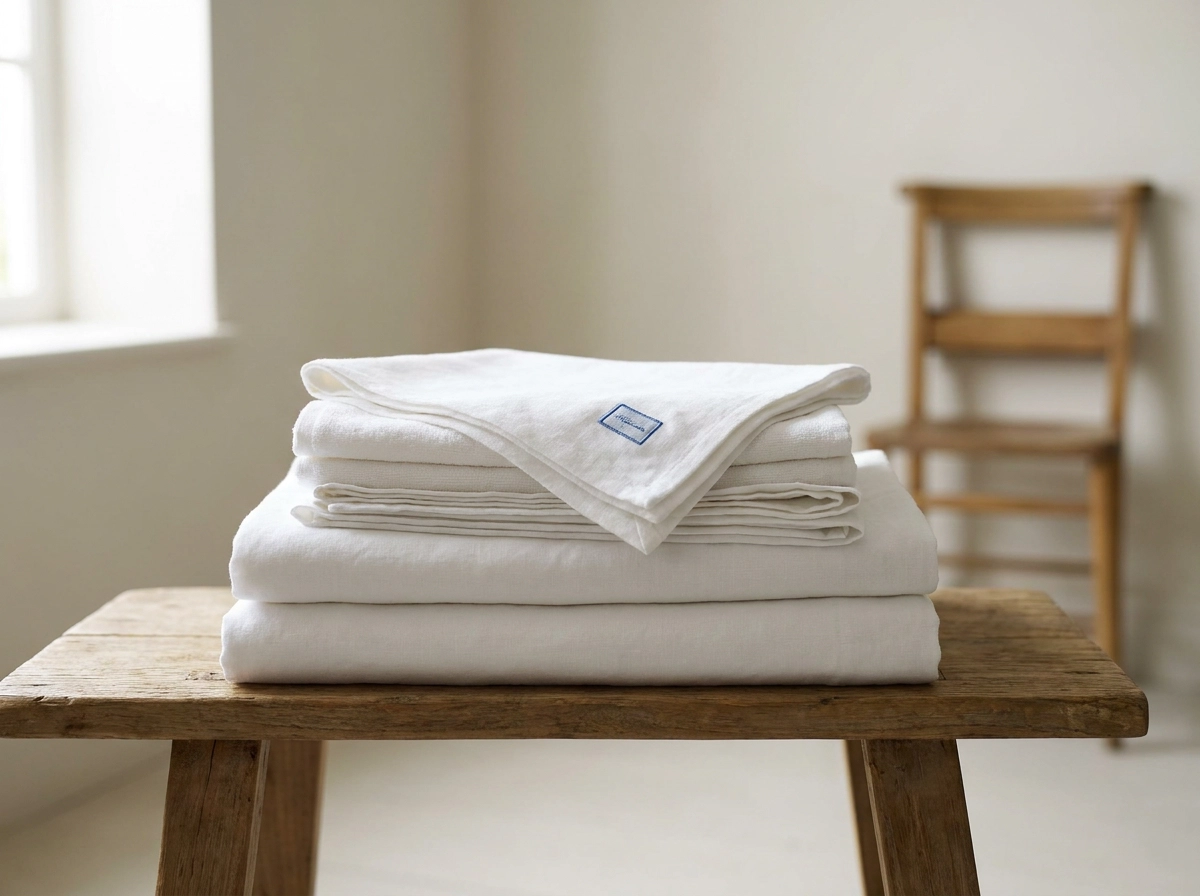
With minimum nights sorted, the next question is whether the property actually fits your group. Two numbers often get confused. The occupancy limit is the maximum number of guests permitted. Sleeping capacity is how many the beds hold. A property's advertised sleeping capacity and its permitted occupancy limit are not always the same, ask the host to confirm both before you assume the listing fits your group.
Ask for a bed by bed breakdown: how many bedrooms, bed sizes and types, whether bunks are involved, and whether sofa beds count toward the guest limit or are for children only. Check bathroom and toilet numbers too. For a big group, showers per person shape the morning more than lounge size.
Ask about group composition rules before any deposit. Some hosts set their own group composition rules. Ask upfront whether there are restrictions on the type of group or the minimum age of the lead booker.
Cover practical fit: parking spaces and driveway access for multiple cars, whether day visitors are allowed, step-free access for older family members, and how children are counted in the guest number. Confirm linen and bedding for every bed, including cots or high chairs if needed. If you're bringing a dog, check pet-friendly accommodation in Gippsland policies alongside these fit questions.
Once the place truly fits, sort how everyone gets in.
Self Check-In and Arrival Logistics for a Group
Once the beds fit everyone, the next question is how the group gets inside the front door.
Self check-in arrangements vary, some properties use a lockbox code, others a smart lock, and some prefer a host greeting. Confirm the exact method and when access details are sent. Gippsland Holidays properties offer contactless self check-in, so confirm the access method when you book.
Ask when the access details are sent. Is the code released the morning of arrival, the day before, or once you confirm you are on the way? Then ask what happens if you are delayed.
Nail down check-in and check-out times, and whether an early check-in or later check-out is possible when half the group is driving from Melbourne after work.
Sort staggered arrivals too. Can each family use the same code and arrive separately? Is there exterior lighting, clear parking, and an access road suitable for a boat or trailer?
Finally, get a phone number for after-hours problems, not just an app message. Confirm who to call if the code fails at 10pm with a car full of tired kids. Mobile coverage can vary in more remote parts of Gippsland, so it is worth saving the address, code and contact number offline before you leave home.
With arrival sorted, the next thing to check is what happens if plans change.
Cancellation Windows and Change Terms: Protecting the Group's Money
Once the check-in plan is sorted, turn to the money.
Your cancellation window is the date by which cancelling still returns most or all of what you have paid. It shifts by property, platform and season, so get the exact free cancellation cut-off in writing, plus the percentage refunded after it and when the deposit and balance fall due.
Groups carry extra risk. Cancellation terms vary, and some properties hold the lead booker responsible for the full amount even if the group shrinks, confirm in writing what happens if guest numbers change. Ask whether guest numbers or dates can be reduced without penalty, and how many days ahead that must happen.
Decide who holds the booking, how the deposit is split, and whether the property allows a change of guest name if the organiser cannot travel.
Gippsland weather adds timing risk. Winter roads, bushfire season and floods or storms can make a trip impossible, so ask the property's position on weather and safety overrides if a road closure or emergency hits.
Before you pay the deposit, write a short group agreement covering payment shares, the cancellation cut-off, and who handles what. Next, let's look at the extras that actually matter for groups.
Group Extras That Actually Matter, and the Ones That Do Not
Once the money terms are settled, the last thing to pin down is what you actually get for it.
Cleaning fees: ask whether the fee is per stay or per person, and whether it rises if you add guests after booking. For a large group, cleaning fees can add significantly to the total cost.
Linen and supplies: confirm what is provided for your numbers, whether linen is charged, and whether basics such as toilet paper, dishwashing liquid and bin bags are stocked for a group sized stay.
Bond: ask the amount, how it is held, what would cause a deduction, and how long the return takes after check out.
Pets: if dogs are part of the plan, check how many are welcome, inside or outside only, and whether a separate pet bond applies. For multi family trips this often decides the booking.
Features that change a group stay: a second fridge, a large dining table, a working barbecue, a fire pit (check local fire restrictions first), boat or trailer parking, and wifi or mobile coverage you can rely on. A few of these extras to enhance your stay can turn a tight fit into an easy one.
Gathering rules: confirm whether a birthday dinner, a small ceremony or extra day visitors are permitted, and whether noise or visitor limits apply after a certain hour.
Ask for all of it in writing. Then, with the numbers clear, there is one more layer worth checking before you pay.
A Note on Victoria's Short Stay Levy and Building Rules
One last bit of context before you compare listings. It is general information only, so check the current position with the State Revenue Office before you rely on it.
Victoria applies a short stay levy to bookings of fewer than 28 consecutive days. The widely reported rate is 7.5% of the total booking fee, introduced from 1 January 2025. Because it is calculated on the total booking fee rather than just the nightly rate, ask whether your quoted total already includes it, and request a full breakdown for a group sized booking.
If you are booking an apartment or unit inside a complex, ask the host or manager to confirm the building permits short stays. Owners corporations can pass rules restricting them, and those rules sit outside the host's control.
Victoria has no statewide annual night cap, so restrictions usually come from the property, the building or the local council rather than a statewide limit. Treat this as orientation, not as a substitute for the property's own terms or official advice.
Accommodation in Gippsland, Victoria: The Confirm First Checklist
With the building and levy questions out of the way, here is the sequence to work through before any money changes hands.
1. Minimum nights. Get the minimum for your exact dates in writing, and ask how it changes across school holidays, long weekends and peak summer.
2. Guests and beds. Confirm the guest number, how children and infants are counted, and the bed by bed sleeping plan, so the property genuinely fits the group you are bringing.
3. Check-in. Lock in the method, when the code or key details are released, the arrival window, and an after hours phone number.
4. Cancellation and money. Request the cut off date, deposit and balance due dates, the bond amount, and the property's position on reducing guest numbers or changing dates.
5. One cost breakdown. Ask for nightly rate, cleaning, linen, pet fees, any levy and the bond in a single figure, so the group can split costs fairly from the start.
6. Save and share. Keep confirmation, terms and access details in one place, send the group a one page summary, and nominate a backup contact who can handle arrival if you are not travelling.
7. Compare like with like. Run every Gippsland accommodation Victoria listing through the same checklist. You are comparing terms, not photos.
Still choosing where to base yourselves? Our complete guide to Gippsland holidays covers the coast, the ranges and the towns in between.
Final Thoughts: Fewer Surprises, Better Group Holidays
So much of a great Gippsland holiday comes down to the details you sorted before you paid a deposit. When the terms don't get checked, it's rarely the region that lets a group down, it's the gap between what was assumed and what was actually booked.
Run through the five-point checklist before you pay the deposit, then browse Gippsland accommodation with confidence, whether you are after a coastal house, a farm stay or a quiet country cottage for the extended family. Book with the details sorted and the trip itself becomes the easy part.
Frequently Asked Questions
Why do group trips to Gippsland usually fall apart?
Group trips rarely collapse because nothing is available. They fall apart because the booking terms never matched the group's plan, such as arrival times, headcount, cars, or kids. The organiser carries the risk of any mismatch, so confirming the small print before paying is essential.
What should I ask the host about minimum stays?
Ask how many nights minimum apply to your specific dates, whether that changes over public holidays, and whether it applies per booking or per night. Also check whether the property has a fixed weekend arrival day, and if you split the group across two properties, check each one's minimum separately. Confirm the answer in writing, since the host's written reply counts more than the listing.
What is the difference between occupancy limit and sleeping capacity?
The occupancy limit is the maximum number of guests permitted, while sleeping capacity is how many the beds hold. These are not always the same, so ask the host to confirm both. Also ask whether sofa beds count toward the guest limit or are for children only, and how children are counted in the guest number.
How should a group handle self check-in?
Confirm the access method (such as a lockbox code, smart lock or host greeting) and when access details will be sent. Ask what happens if you are delayed, whether early check-in or late check-out is possible, and whether each family can use the same code if arriving separately. Get an after-hours phone number, not just an app message, and save the address, code and contact details offline, since mobile coverage can vary in remote parts of Gippsland.
What should I check about cancellations and changes for a group booking?
Get the exact free cancellation cut-off date in writing, the percentage refunded after it, and when the deposit and balance are due. Confirm what happens if guest numbers shrink, whether numbers or dates can be reduced without penalty and how many days ahead that must happen, who holds the booking, and the property's position on weather and safety overrides. Before paying the deposit, write a short group agreement covering payment shares, the cancellation cut-off, and who handles what.