
Thinking of Gippsland as a summer-only destination? That's like packing a beach towel for the snow. Winter flips the script: the lakes go quiet, the coast and plains stay cooler rather than freezing, and the alpine reaches above 1,500 metres can stay snow-covered through winter. Instead of chasing hot beach days, you get slow mornings, misty valleys, open fires and room to breathe.
Better still, travelling off-season changes how you plan. In this guide, we'll compare winter with summer, autumn and spring; explain what Gippsland Lakes weather really feels like; show why altitude matters from coast to valleys to alpine country; and share things to do when it's cold. You'll also find Gippsland attractions that suit the off-season, practical advice on where to base yourself, wet-weather driving safety, and a simple packing list. If you've only ever booked Gippsland for summer, this is your nudge to try it cold, quiet, unhurried and often easier on the wallet.
Why Gippsland in Winter Is Worth Booking
Most people picture Gippsland in summer: sand between your toes, school holidays, lake towns at full tilt. Then they judge the whole region on that one version of it. Winter rarely gets a fair trial.
Here's the case up front. The cold months turn Gippsland from a beach destination into a stay-in-and-slow-down one. Fireplaces, misty waterways, long lunches and short days set the pace instead of the surf report.
Off-season doesn't mean closed. Towns, pubs, cafes, cellar doors, national parks, lakes and walking trails all keep operating through winter, just at a gentler rhythm. You get breathing room and easier planning rather than competing for one hot weekend of the year.
That's the ground this guide covers: how Gippsland Lakes weather actually behaves in winter, what to do in Gippsland when it's wet, which towns suit which kind of trip, and how to plan around rain and shorter daylight hours. There's plenty happening off the water too, as our seasonal experiences at Gippsland Lakes guide shows.
And for weekend travellers, Gippsland is a realistic drive from Melbourne, which makes a spontaneous winter escape far easier to pull off than a peak-summer one.
Winter vs Summer, Autumn and Spring: An Honest Comparison
Summer is the version most people picture: warm, bright and running at full tilt, with lake towns devoted to swimming, boating and beach days. That's the season behind most of the region's reputation, and much of what searches for Gippsland attractions surface.
Autumn slips in as a transition, with cooling days and softer light. It suits travellers after a shoulder-season feel, though wet weather builds steadily towards winter.
Winter itself is cool rather than extreme on the plains and coast, and it shares the year's maximum rainfall with spring. It's also the only season where snow settles in the higher reaches, above roughly 1,500 m.
Spring stays wet but warms and greens the landscape, which makes it a good companion to winter for anyone chasing waterfalls and full rivers.
Treat this as a choice, not a ranking. Summer and winter are simply different holidays: one about water and heat, the other about firesides, driving, walking between showers and eating well indoors.
These are broad patterns drawn from historic regional summaries, not a forecast. Check current Bureau of Meteorology conditions before you travel, and explore East Gippsland to see how much the region changes across seasons.
Gippsland Lakes Weather in Winter: What It Really Feels Like
On the lakes and coastal plains, winter is cool rather than cruel. An archived East Gippsland climate summary, citing the Bureau of Meteorology, attributes that relative mildness on the plains and coast partly to the Fohn effect. Use the figures below as historical context, not current normals, and check current BoM tables before you travel.
Bairnsdale's July averages sit near 13.7°C maximum and 3.8°C minimum; Cann River runs about 14.3°C and 2.1°C. In January, those same towns average roughly 25.8°C and 25.9°C maximums. That swing is why layering beats survival gear.
So what does it feel like? Still mornings, fog sitting low on the water, muted light and glassy lake surfaces between rain bands, plus the odd crisp, clear day that feels colder than the numbers suggest. It's the version of the Gippsland Lakes most visitors never see.
Winter and spring are the wettest seasons, and the coastal plains get rain fairly evenly across the year, so a wet day is likely rather than unlucky. Plan for it. And note the gap: these figures cover East Gippsland locations, so read them as a guide, not a Lakes Entrance forecast. If you're chasing a cast between showers, see the best time for fishing in the Gippsland Lakes.
Coast, Valleys and Alpine Reaches: Why Altitude Changes the Plan
The lakes are only part of the picture. Gippsland runs from coastal plains to alpine country, so a lakeside base and a high country base can feel like two climates in one week.
Altitude is the divider. Historically, areas above roughly 1,500 m stay snow covered through winter, but no season dates, depths or conditions were sourced here. Treat snow as possible, not promised, and check current resort and road reports before heading up.
Rain varies as sharply. The Mitchell and Tambo valleys sit in a rainshadow: one Mitchell valley site averages about 659 mm a year, against roughly 1,080 mm at Bullumwaal in the bordering high country. Drier valley country sits a short drive from much wetter ranges.
So choose by winter mood: coastal and lakes bases for milder, wetter days; valley and river towns for shelter and two-way access; higher country for genuine cold and a chance of snow. For more, see Gippsland: What to See, Do and Experience on Your Visit. Where you sleep is a weather decision, which is why the off-season rewards planning.
Things to Do in Gippsland When It Is Cold
Wherever you base yourself, the winter rhythm stays simple: one indoor anchor, one outdoor outing, and the weather sets the order.
Fireside time is the headline act, not a consolation prize. Country pubs, cafes and cellar doors suit long, unhurried afternoons, and plenty lean into the cooler months indoors.
Food and wine touring works better in winter than most people expect. Cellar doors, farm gates and produce stores are spread through the region's towns and valleys, giving you a genuine reason to spend the middle of the day inside. Gippsland Holidays: The Complete Guide to Victoria's Most Diverse Escape maps out more of them.
Between showers, keep outdoor outings compact: lakeside paths, boardwalks, wetlands and short forest walks. Wear water-resistant footwear and treat a dry two-hour window as the day's main event.
Waterfalls and rivers are at their most dramatic after winter rain, which makes day trips into forest and gorge country more rewarding than in the dry months. Check conditions and track closures first.
For families, heritage museums, galleries, local markets and historic town centres take the pressure off entertaining kids in the wet.
The rule of thumb: pick one indoor anchor each day, then let the weather decide the rest.
Gippsland Attractions That Suit the Off-Season
Once you've picked your indoor anchor for the day, the attractions themselves start working in your favour.
Waterways. The Gippsland Lakes, inlets and rivers are arguably at their most atmospheric in winter, with low light, still water and long reflections that suit photographers, sketchers and slow walkers.
Wildlife and wetlands. The Gippsland Lakes are one of twelve Ramsar wetlands in Victoria, recognised for habitat that supports migratory birds. Cooler months suit quiet birdwatching around the lakes, coastal reserves and wetland boardwalks, when fewer people share the same spaces.
Heritage towns. Goldfields-era streetscapes such as Walhalla are made for indoor-leaning wandering, with museums, old buildings and short interpretive walks.
Forest drives. Scenic routes through national park and state forest country cover ground without soaking you, with lookouts and picnic stops timed between showers.
Winter produce. Preserves, cheese, wine and bakery stops are the easiest way to build a day around small towns instead of one destination.
One caution: some smaller attractions and eateries run reduced hours in winter. Confirm opening times ahead rather than assuming summer schedules.
Pair any of these with a base that suits the weather, which is the next decision worth making.
Where to Base Yourself in Winter
Next comes where to sleep, and in winter that's a weather call as much as a scenic one.
Lakes and coastal towns like Lakes Entrance, Metung and Paynesville stay milder, with water views, walkable centres and easy access to walks and lookouts. They suit couples and families wanting to be near the water without beach weather.
River and valley towns including Bairnsdale, Sale, Maffra and Stratford offer heritage streetscapes, cafes and markets, plus a central position between coast and high country. A day trip to waterfalls near Gippsland fits nicely from here after winter rain.
For genuine cold, base around Omeo and the elevated country, where snow is possible above roughly 1,500 m. Check road conditions daily.
Torn between valley and ranges? The Mitchell and Tambo valleys sit in a rainshadow, receiving around 659 mm annually against about 1,080 mm at Bullumwaal in the high country, so valleys are often drier.
Match your base to the trip: two nights for a couples reset, three or more for families. Factor in drive times, because Gippsland is bigger than it looks on a map.
For comparing areas and finding places to stay, Gippsland Holidays is a helpful local starting point.
Getting There, Driving and Wet Weather Safety
Wherever you settle, getting there is straightforward from Melbourne. Freeway running serves Gippsland's western end, but drive times stretch noticeably the further east you go, so plan realistic distances rather than squeezing three towns into one day.
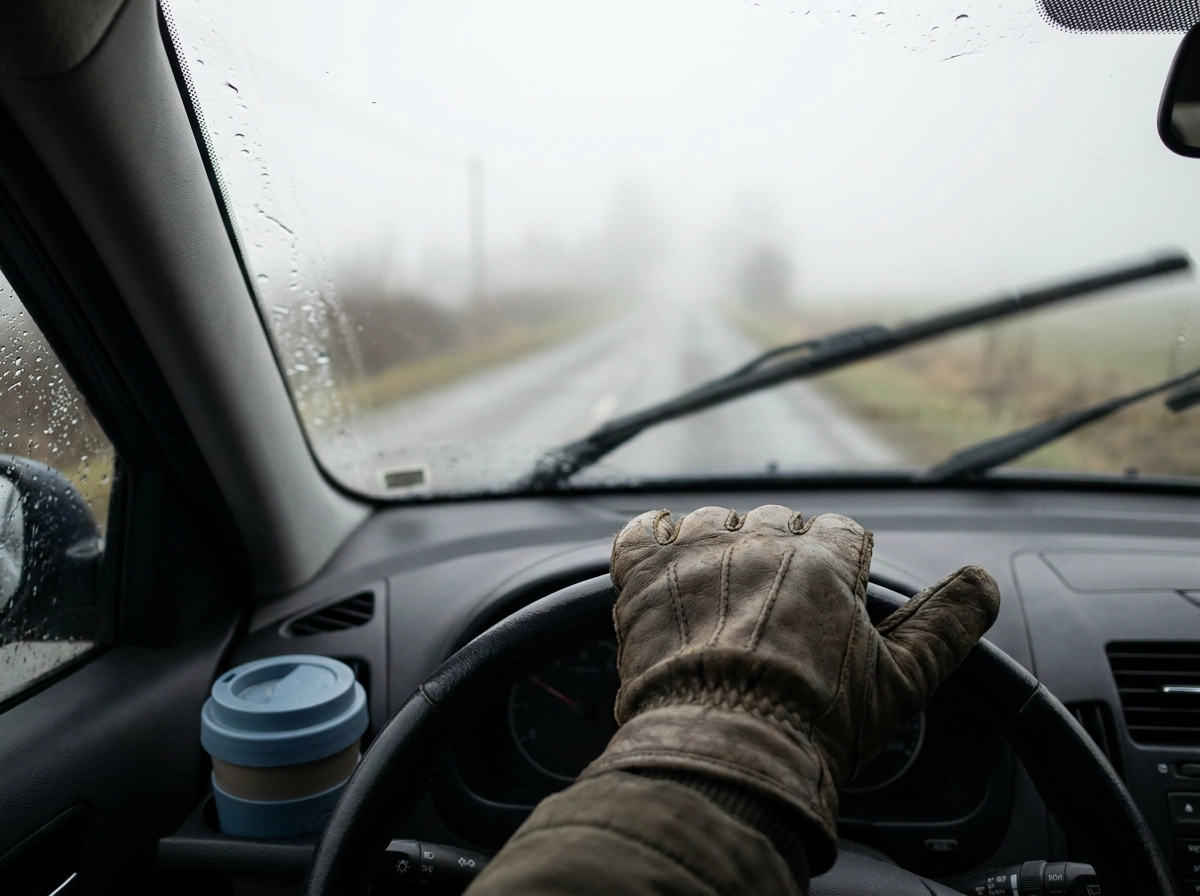
Winter changes the driving itself. Expect fog, wet surfaces, low sun and wildlife moving at dusk. Add extra time, share the wheel and avoid pushing on after dark.
Heading for the high country? Check current road and snow conditions before you climb, and carry chains where advice requires them. A route being open last winter means nothing now.
Rain is the other wildcard. High-intensity falls can flood the lower reaches of major rivers at any time, so check Bureau of Meteorology warnings and river levels, and never drive through floodwater.
Shorter days catch people out. Put the longest drive in daylight, and keep a flexible plan B for wet weather.
Packing and Planning for a Winter Gippsland Trip
Now that the driving side is sorted, what you actually throw in the boot matters just as much. Layers beat one heavy coat: a warm base layer, a waterproof jacket, water-resistant footwear and a spare pair of socks will carry you much further than any single bulky item.
Keep the itinerary loose. One outdoor outing plus an indoor afternoon is a realistic winter day, with room to swap them when the forecast shifts. Check weather and safety information before you leave, along with road conditions and opening hours for smaller attractions, eateries and cellar doors, since many adjust times in the cooler months.
Book a base close to what you want to see. Staying put and exploring one area properly beats a two-hour commute each morning. And if you can stretch two nights into three, do it. It costs less energy than it sounds and turns a rushed trip into a real break.
The Off-Season Case for Gippsland
Winter is not a downgraded summer. It is a different holiday, and one worth booking on purpose.
What works: cool rather than extreme days on the plains and coast, snow in the higher reaches above roughly 1,500 metres, full rivers and waterfalls after winter rain, mist sitting low on the lakes, and town centres without the crowds.
So make it deliberate. Choose a base with the weather in mind, plan for rain rather than around it, check current BoM forecasts and road conditions before you travel, and keep one indoor option ready each day.
Then take the next step: browse accommodation across the region through Gippsland Holidays and pick an area that suits your trip type, instead of defaulting to summer dates out of habit.
One last thing. Confirm conditions with the Bureau of Meteorology and local operators closer to your travel dates, then go and enjoy the quiet version of Gippsland.
Conclusion
Gippsland in winter is not a downgraded summer; it is a different holiday, and a genuinely rewarding one. Expect cool rather than extreme days on the coast and plains, snow in the higher reaches, full rivers and waterfalls, mist sitting over the lakes, and town centres without the crowds. Choose a base close to what you want to see, plan for rain instead of around it, and keep one indoor option ready each day. Two or three nights beats a rushed dash.
Ready to book on purpose? Browse accommodation across the region through Gippsland Holidays and pick an area that suits your trip type, rather than defaulting to summer dates out of habit. Confirm conditions with the Bureau of Meteorology and local operators closer to your travel dates, then head off and enjoy the calm version of Gippsland.
Frequently Asked Questions
Is Gippsland worth visiting in winter, or is it only a summer destination?
Yes. Winter turns Gippsland from a beach destination into a slower, stay-in-and-unwind one. Towns, pubs, cafes, cellar doors, national parks, lakes and walking trails keep operating at a gentler pace, and there are fewer crowds and easier planning than in peak summer.
What is the weather like on the Gippsland Lakes in winter?
On the lakes and coastal plains, winter is cool rather than cruel. Historical figures cited in the post show Bairnsdale's July averages near 13.7°C maximum and 3.8°C minimum, and Cann River's near 14.3°C and 2.1°C. Expect still mornings, fog low on the water, muted light and the occasional crisp, clear day. Winter and spring are the wettest seasons, so a wet day is likely. These figures are historical context, not a forecast, so check current Bureau of Meteorology tables before travelling.
Will there be snow in Gippsland in winter?
Snow is possible in the higher reaches. Historically, areas above roughly 1,500 metres can stay snow-covered through winter. The post does not give snow dates, depths or conditions, so treat snow as a possibility rather than a promise and check current resort and road reports before heading up.
What should I do in Gippsland when it is cold or wet?
Pick one indoor anchor each day, such as fireside time at a country pub, a cafe, a cellar door, a farm gate or produce store, a heritage museum, a gallery or a local market. Then add one compact outdoor outing between showers, such as a lakeside path, boardwalk, wetland or short forest walk. Waterfalls and rivers are often most dramatic after winter rain, so check conditions and track closures first.
Where should I stay on a winter trip to Gippsland?
It depends on the weather you want. Lakes and coastal towns such as Lakes Entrance, Metung and Paynesville stay milder. River and valley towns such as Bairnsdale, Sale, Maffra and Stratford offer heritage streetscapes and a central position. For genuine cold, base around Omeo and the elevated country. The Mitchell and Tambo valleys are often drier because they sit in a rainshadow.