
Picture this: you're standing at the edge of a dark lake, and every ripple glows electric blue. No filters, no special effects, just nature doing something almost impossible to believe. That's the magic of Gippsland Lakes bioluminescence, and it's the reason so many people searching for bioluminescence near Melbourne make the trip out to Victoria's East Gippsland region.
Here's the thing, though. Most articles will show you the stunning photos and leave you to figure out the rest. You turn up on a random weekend, peer into dark water, and see absolutely nothing. Not because the experience isn't real, but because witnessing it takes a little planning.
This guide is built differently. Before we get into the wonder of it all, we're going to walk you through exactly what causes the glow, the four conditions that need to line up for you to actually see it, when to visit, where to stand, and how to know if a bloom is even active before you make the drive. Think of it as your practical road map to one of the most extraordinary natural experiences in Australia.
What Actually Causes the Glow in the Gippsland Lakes
That blue-green shimmer you've seen in photos of the Gippsland Lakes isn't a filter or a light installation. It's biology.
The glow is produced by Noctiluca scintillans, a bioluminescent dinoflagellate commonly called "sea sparkle." These microscopic organisms emit light as a defence response when physically disturbed. Drag your hand through the shallows, paddle a kayak through calm water, or watch a wave lap against a hull and the organisms around that movement light up in a vivid blue-green flash. The effect is triggered by agitation, not by darkness alone.
The broader bloom is supported by Synechococcus, a blue-green algae that serves as a food source for the dinoflagellates. Together, these organisms depend on the sheltered, nutrient-rich conditions found across the Gippsland Lakes system, a network of interconnected lakes, lagoons and waterways spanning around 600 square kilometres within Gippsland Lakes Coastal Park.
Here's the important part to understand before you start planning: this is not like Mosquito Bay in Puerto Rico or Luminous Lagoon in Jamaica, where bioluminescence is reliably present year-round. The Gippsland Lakes phenomenon is rare and episodic. The most documented bloom, in 2008 to 2009, was triggered by an unusual sequence of bushfires, flooding and elevated nutrient levels that may not repeat for a very long time.
No bloom is guaranteed on any given visit. Accepting that honestly is actually the foundation of good planning.
The Four Conditions That Need to Line Up
Knowing why the lakes glow is one thing. Knowing what has to go right for you to actually see it is what separates a memorable night from a frustrating one. There are four conditions that need to align, plus one weather factor worth checking before you leave home.
- An active bloom must be present. No dinoflagellates or bioluminescent plankton in the water means no glow, full stop. Bloom presence can't be confirmed weeks in advance, so treat this as something you monitor in the days leading up to your visit rather than something you can lock in at booking time.
- Real darkness matters. Even moderate ambient light washes out the glow significantly. You want a clear night well away from town lighting for the full effect.
- Calm water is your friend. Gentle movement triggers the light, but rough or churned water disperses the organisms and thins concentration. Sheltered sections of the lake system on still nights give you the best chance.
- Time your visit around the new moon. New moon periods produce the darkest possible sky, and planning around the lunar calendar is one of the most concrete steps you can take right now.
- Check recent rainfall. Heavy rain in the days before your visit can cloud the water and dilute bloom concentration considerably. A quick look at the local forecast history before you travel is worth doing.
When to Go: Timing Your Visit Around the Right Conditions
There is no fixed seasonal window for bioluminescence on the Gippsland Lakes. Blooms have been reported across multiple seasons, so no single month guarantees a sighting. That said, warmer water temperatures encourage higher algal activity, and the November through April window tends to offer the most favourable conditions overall.
For first-timers, December to March is the most practical starting point. Warmer water, longer evenings and better bloom conditions combine to give you the best baseline odds. If you're travelling from Melbourne, this window also aligns with summer holiday periods when a Gippsland Lakes escape fits naturally into existing plans.
Once you have a rough month in mind, build your trip dates around the lunar calendar. Aim for the new moon phase, or the two to three nights on either side of it, when the sky is at its darkest. This single step meaningfully improves your chances compared to booking on dates chosen at random.
Check recent weather before you finalise anything. Sustained heavy rain or major storm events wash sediment into the lake system and reduce water clarity for several days afterward, which can make even an active bloom difficult to see.
In the week before your visit, check Parks Victoria and local Gippsland tourism social media channels. Community sightings and ranger updates are currently the most reliable real-time indicators that a bloom is active.
Try to build in at least two or three nights. A single overnight visit leaves very little margin if conditions aren't right on the first night.
For broader planning context, the Gippsland Lakes: Everything You Need to Know Before You Visit guide is a solid companion resource before you commit to dates.
Where to Go: Access Points and Viewing Spots on the Gippsland Lakes
Once you've settled on your timing, the next step is choosing where on the lakes to position yourself.
The Gippsland Lakes system covers a vast stretch of East Gippsland, with four main access towns worth knowing: Lakes Entrance, Paynesville, Metung and Eagle Point. Each sits at a different point in the lake system, with varying proximity to sheltered water.
Lakes Entrance is the most popular base, and for good reason. It offers foreshore access, boat hire and a choice of sheltered lake sections well suited to bioluminescence viewing. If this is your first visit to the Gippsland Lakes and you want the most infrastructure around you, start here.
Metung and Paynesville are quieter alternatives with direct waterfront access and noticeably less ambient light than Lakes Entrance. For anyone prioritising sky darkness, both towns are genuinely worth considering over the busier option. Before your trip, it's worth reading up on the broader lake system in our guide to Gippsland Lakes: Everything You Need to Know Before You Visit to get a feel for the geography.
For the best viewing experience, get on the water. Paddling a kayak or canoe through the lake creates exactly the kind of physical disturbance that triggers the glow, and nothing beats being right in the middle of it.
Gippsland Lakes Coastal Park covers much of the foreshore and lake edge, and some sections offer walk-in access well away from road lighting, which can noticeably sharpen viewing contrast. Before heading out to any remote foreshore section, check current access conditions and park closures with Parks Victoria.
How to Track Whether a Bloom Is Actually Active
Once you've chosen your access point, the next practical challenge is figuring out whether a bloom is actually in the water before you make the drive.
There's no dedicated real-time alert system for Gippsland Lakes bioluminescence, so you'll need to pull from several sources in the week leading up to your visit.
Where to check:
- Parks Victoria occasionally posts updates on water conditions and natural events across East Gippsland. Follow their social media accounts and check the website in the days before your trip.
- Local Facebook groups focused on Lakes Entrance, Metung and East Gippsland are often the fastest source of fresh sighting reports. Locals and recent visitors who've been out on the water tend to post quickly when something's happening.
- Your accommodation host can be genuinely useful here. A quick message a few days out is worth doing, especially if they're based near the water and fielding similar questions from other guests.
- Instagram geotag searches for Lakes Entrance or Gippsland Lakes bioluminescence can surface recent visitor photos. Check timestamps carefully and focus on posts from the past week only.
Planning a broader East Gippsland trip? The guide to East Gippsland: What to Expect from Victoria's Wild East covers the full region and can help you build a worthwhile itinerary around your visit.
One honest note: definitive confirmation before you arrive is rare. The goal of monitoring is to improve your odds, not guarantee a result. The Gippsland Lakes at night is a genuinely beautiful place to be, even when a bloom is faint.
On-the-Night Checklist: What to Bring and How to Behave
Once you've confirmed conditions look promising and you're heading out to the lake, a little preparation makes a real difference to what you actually experience.
Give your eyes time to adjust. Allow at least 20 minutes in darkness before deciding whether a bloom is visible. Rod cells in your eyes need that window to reach useful sensitivity, so arriving and immediately scanning under torchlight will give you a misleading read of conditions.
Use a red-light torch. Red light sits at a long wavelength that rod cells don't respond to strongly, which means it lets you navigate without resetting your dark adaptation. Keep phone screens off or at absolute minimum; even brief white light exposure sets you back significantly.
Skip the chemical sunscreen and insect repellent. These products are harmful to bioluminescent organisms and can degrade an active bloom. Apply physical sunscreen earlier in the day and give it time to fully absorb before you're anywhere near the water.
Dress warmer than you think you need to. Lake edges and open water lose heat quickly after sunset, and spring and autumn nights can catch visitors off guard.
If you're paddling, go through a reputable local operator. Night paddling on the Gippsland Lakes has specific hazards; a local operator can brief you properly on conditions and safe navigation. Pairing a paddle session with some moonlit coastal walking around Paynesville makes for a well-rounded night out.
Protect your camera gear and adjust your settings. Use a waterproof bag for any equipment near the water. Bioluminescence photography needs manual settings; aim for exposures of 10 to 30 seconds, a wide aperture, and a high ISO.
Looking After What Makes This Experience Possible
The gear list matters, but so does the mindset you bring to the lake edge. The Gippsland Lakes are a Ramsar-listed wetland of international significance, and the tiny organisms that create the bioluminescence are genuinely sensitive to the conditions around them.
A few principles worth keeping front of mind:
- Stay on designated access points and step lightly around lake edge vegetation. Foreshore plants filter nutrients and sediment before they reach the water, and disturbing them has real consequences for water quality across the Gippsland Lakes Coastal Park.
- Pack out everything you bring. Litter on the foreshore, even small items, can leach into the water and affect the delicate ecosystem that makes blooms possible. Leave the site cleaner than you found it.
- Keep noise down in wildlife areas after dark. Sections of the Gippsland Lakes Coastal Park are active habitat for shorebirds and nocturnal fauna, and loud groups cause genuine disturbance.
- Think before you geotag. Sharing a sighting is a natural impulse, but pinning exact coordinates to quiet, low-traffic spots can send a sudden flood of visitors to places that simply cannot absorb that pressure. A general location tag is enough.
The Love Our Lakes program has invested significantly in restoring water quality across the lakes system. Visiting responsibly means your trip complements that work rather than cutting across it. For more on preserving the natural beauty of the region through environment-friendly practices, it's worth reading up before you head out.
Where to Stay for a Bioluminescence Trip on the Gippsland Lakes
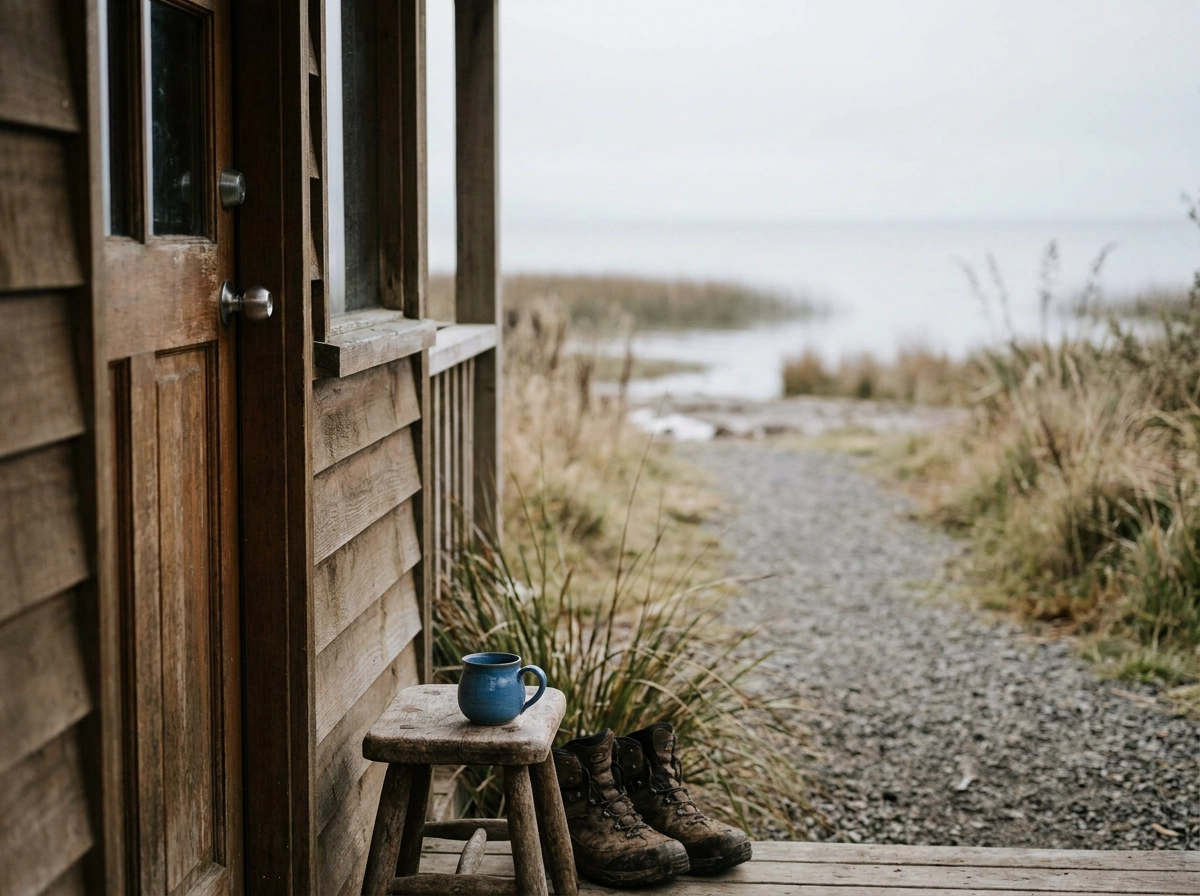
Once you've thought through how to look after the lakes, the next practical question is where to base yourself.
Staying close to the water matters more for this trip than almost any other. When conditions look right, you want minutes between your accommodation and the foreshore, not a lengthy drive. Waterfront properties in Metung, Paynesville and Lakes Entrance put you in the best position to move quickly on a promising night.
Light pollution is worth thinking about when you book. Metung and Paynesville are quieter than Lakes Entrance and sit away from heavier town lighting, which can make a genuine difference to viewing contrast. When you're enquiring about a property, ask the host how close you are to foreshore access and whether the surrounding area stays reasonably dark at night.
Book a minimum of two or three nights. The bloom is unpredictable by nature, and a single overnight stay leaves very little room to work with if conditions aren't right on arrival. Multiple nights give you the flexibility to wait out cloud cover, monitor conditions and try again.
Self-contained accommodation is particularly well suited to this kind of trip. Coming back to a private property at midnight after a paddle on the lake is far more practical than returning to shared or hosted accommodation with set-in times.
Gippsland Holidays lists options across Lakes Entrance, Metung and Paynesville, and browsing by location and waterfront proximity is a sensible starting point when planning a bioluminescence-focused stay.
Plan Smart, Stay Flexible and Let the Lakes Surprise You
With your accommodation sorted, the rest comes down to four factors: active bloom, dark sky, calm water and low moonlight. These are the levers you can actually control. Get all four aligned and your chances improve significantly.
Monitor local channels closely in the final few days before you arrive. Parks Victoria social accounts, Lakes Entrance community Facebook groups and a quick Instagram geotag search can all surface recent sighting reports. Combine that intelligence with a multi-night stay and you give yourself a genuine buffer against the conditions simply not cooperating on night one.
And if the bloom stays quiet? The Gippsland Lakes still deliver. The lake system itself, the foreshore trails of Gippsland Lakes Coastal Park, and the towns of Metung, Paynesville and Lakes Entrance are worth the trip on their own terms. Good food, calm water, and unhurried days exploring East Gippsland make this a rewarding destination regardless of what the algae decide to do.
Browse the Gippsland Holidays accommodation listings near the lakes to find a well-placed base for your visit. Before you head out on the water at night, it's also worth checking weather and safety conditions so you're properly prepared.
Thoughtful planning genuinely improves your odds here. But honestly, the Gippsland Lakes at night, bloom or no bloom, is a remarkable place to simply be.
Conclusion
Bioluminescence in the Gippsland Lakes is genuinely extraordinary, but it rewards those who plan carefully and stay adaptable. Keep these essentials in mind: the bloom must be active, the sky must be dark, the water calm, and moonlight minimal. Book multiple nights to give yourself a real chance when conditions shift. Use local social channels and recent sighting reports to time your arrival well.
Even if the bloom stays quiet, this corner of Victoria delivers something worth the journey. The lakes, the coastline, and the surrounding towns stand fully on their own.
Browse Gippsland Holidays accommodation listings to secure a well-placed base, pack your checklist, and go in with open eyes. The Gippsland Lakes at night have a way of exceeding expectations, whether the water glows or not.
Frequently Asked Questions
What causes the blue glow in the Gippsland Lakes?
The blue-green glow is produced by Noctiluca scintillans, a bioluminescent dinoflagellate commonly called "sea sparkle." These microscopic organisms emit light as a defence response when physically disturbed. The bloom is supported by Synechococcus, a blue-green algae that serves as a food source for the dinoflagellates. The organisms light up when you drag your hand through the water, paddle a kayak, or create any physical disturbance in the lake.
What are the four conditions needed to actually see the bioluminescence?
To witness the Gippsland Lakes bioluminescence, you need: (1) An active bloom present in the water, (2) Real darkness—a clear night well away from town lighting, (3) Calm water—gentle movement triggers the light but rough water disperses the organisms, and (4) Minimal moonlight—plan your visit around the new moon phase or the two to three nights on either side of it for the darkest sky. Additionally, check recent rainfall, as heavy rain can cloud the water and dilute bloom concentration.
Is there a specific season when bioluminescence is most likely to occur?
There is no fixed seasonal window for Gippsland Lakes bioluminescence, as blooms have been reported across multiple seasons. However, warmer water temperatures encourage higher algal activity, so the November through April period tends to offer the most favourable conditions. For first-timers, December to March is the most practical starting point, with warmer water, longer evenings, and better overall bloom conditions combining to give you the best baseline odds.
How can I confirm a bloom is active before making the trip?
There's no dedicated real-time alert system, so monitor several sources in the week before your visit: check Parks Victoria's social media and website for water condition updates, search local Facebook groups for Lakes Entrance, Metung, and East Gippsland for fresh sighting reports, contact your accommodation host for their observations, and search Instagram geotags for Gippsland Lakes bioluminescence, focusing on posts from the past week only. Remember, definitive confirmation before arrival is rare—the goal is to improve your odds, not guarantee a result.
What should I bring and avoid when viewing the bioluminescence at night?
Allow at least 20 minutes for your eyes to adjust to darkness before viewing. Use a red-light torch for navigation, as red light doesn't reset dark adaptation like white light does. Avoid chemical sunscreen and insect repellent near the water, as they harm bioluminescent organisms. Dress warmer than you think necessary, as lake edges lose heat quickly after sunset. If paddling, use a reputable local operator for safety. For photography, use manual settings with exposures of 10-30 seconds, a wide aperture, and high ISO, and protect your gear in a waterproof bag.