
Planning a trip to Gippsland but refuse to leave your dog behind? You are definitely not alone. More and more Australians are making their pets a central part of their travel decisions, and finding the right place to stay can make or break the whole experience.
The good news is that pet-friendly accommodation in Gippsland has come a long way. From cosy self-contained cottages on the lakes to sprawling farm stays and welcoming caravan parks, there are genuinely great options for dogs of all shapes, sizes and energy levels. The trick is knowing which type of property suits your dog best, and that is exactly what this guide is here to help with.
Whether you have a laid-back older dog who loves a quiet lakeside retreat or a high-energy pup who needs room to run, Gippsland has something for you both. In this post, we will walk you through the best accommodation types across the region, what to check before you book, fun things to do with your dog once you arrive, and how to plan a smooth, stress-free trip from start to finish.
Why Gippsland is a Great Destination for Dog Owners
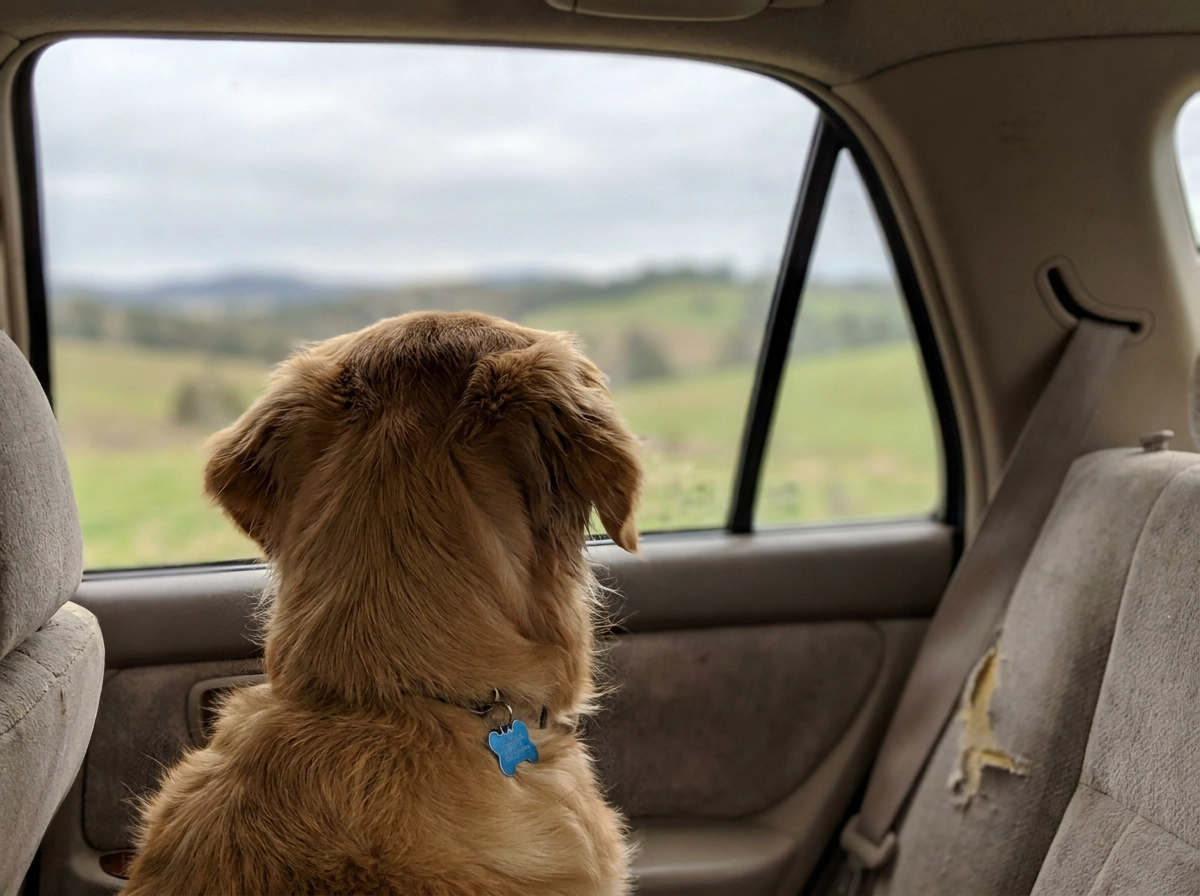
Gippsland is a practical drive from Melbourne, with many destinations reachable in a few hours depending on where you're headed, which makes it one of the most practical weekend escapes for dog owners who'd rather not spend half their trip in the car with an anxious pup.
What sets Gippsland apart is genuine geographic variety. The Gippsland Lakes, rolling farm country, coastal foreshore and dense bushland all sit within the same region, and that diversity translates directly into accommodation choice. You're not limited to whatever single property type happens to accept pets. Self-contained cottages, farm stays, caravan parks and coastal holiday homes all have a foothold here, which means you can actually match where you stay to your dog's personality rather than just grabbing the one option that won't turn you away at the gate.
That distinction matters more than it sounds. A high-energy border collie and a nine-year-old greyhound have very different holiday needs, and Gippsland has properties suited to both. Active dogs benefit from open rural acreage and off-lead beach access at certain foreshore sections, while older or more anxious dogs often settle beautifully into quieter lakeside settings where flat walking paths and calm water keep things manageable.
A growing number of properties go beyond a basic 'pets allowed' policy, offering practical features like fenced yards and outdoor areas designed with dogs in mind.
Lakeside and Self-Contained Cottages Around Paynesville and the Gippsland Lakes
If the quieter, lakeside style of escape appeals to you, the Gippsland Lakes precinct is worth a close look. The area spanning Paynesville, Metung and Lakes Entrance is characterised by the sheltered lake environment, and many visitors find the foreshore setting easier to manage with a dog than busier coastal towns.
Pet-friendly accommodation around Paynesville tends to lean towards self-contained cottages and waterfront properties with private outdoor areas. That setup works particularly well for dog owners because you sidestep shared dining rooms and common spaces entirely, keeping your dog's routine intact and avoiding any awkward moments with other guests.
When you're comparing properties in this area, the specific outdoor features matter more than the view. Look for:
- Fully fenced yards for dogs who wander or are easily distracted
- Direct water access with a private lawn or jetty area for larger or more energetic breeds who need room to move
- Single-level layouts for older dogs or those with mobility issues, where a gentle grassy area is accessible without navigating stairs
A relaxed stay in Paynesville gives you a feel for the kind of waterfront setting this part of the Gippsland Lakes does well.
Self-contained properties are generally the most straightforward option for first-time pet travellers. You bring your dog's bed, set up their space and settle in without worrying about house rules around shared areas. It removes a lot of the guesswork from travelling with a dog.
Farm Stays and Rural Properties: Ideal for High-Energy Dogs
If the lakeside setting suits the calmer, older dog, Gippsland's rural hinterland is where high-energy breeds come into their own.
The farming country of South Gippsland includes a number of properties welcoming dogs on genuine acreage. For high-energy breeds, working dogs, retrievers and similarly active companions, a farm stay offers something a holiday park or town cottage simply cannot: room to actually move.
Off-lead access on rural properties varies significantly, some have fenced areas specifically for dogs, while others with open bushland or working livestock require leads throughout. Always confirm with the host before booking.
One important question to ask before booking: are working livestock present? Some farm stays are actively running cattle, sheep or free-range poultry. Even a well-trained dog can become unpredictable around unfamiliar animals, and the last thing anyone wants is an incident on day one. If livestock are on-site, ask the host how they manage dog access to those areas.
Farm stays also tend to offer more separation between guests than holiday parks or shared complexes. For dogs that are friendly enough but easily wound up by strange dogs or busy foot traffic, that privacy can make the whole trip more relaxed for everyone.
If you want a broader picture of what Gippsland has to offer beyond accommodation, the complete guide to planning a Gippsland holiday is a practical place to start.
Dog-Friendly Caravan and Holiday Parks, Including Lakes Entrance
Lakes Entrance is one of the region's most visited towns, and it has dog-friendly accommodation to match. Prime Tourist Park on Myer Street is one of the more established adult-only, pet-welcoming caravan parks in the area. The adult-only format means a generally quieter atmosphere, which some dogs find more settling than busier family parks. Being in Lakes Entrance means foreshore walks, fishing spots and the town's relaxed outdoor pace are all within easy reach for you and your dog.
Holiday parks are also a practical choice for pet owners on a budget. Powered sites and cabin-style options typically sit close to outdoor areas, so there is no long corridor or lift between your dog and the grass.
Across Gippsland's coastline there are reportedly 16 year-round dog-friendly caravan parks, so Lakes Entrance is far from your only option if you want to explore further east or west.
When comparing parks, a few things genuinely matter:
- Designated dog-walking areas: Some parks have them; others expect you to manage entirely off-site. Check before you book.
- Grassed sites versus hard-stand: A grassed area directly beside your powered site or cabin is significantly easier for dogs who need regular toilet breaks. Hard-stand sites with no green space nearby are a real inconvenience.
- On-site pet rules: Where dogs can go within the park varies considerably between properties, so read the fine print or phone ahead.
For more on what makes the Lakes area worth the trip, the Gippsland Lakes: Everything You Need to Know Before You Visit guide covers the region in detail.
Coastal Gippsland Stays: Ninety Mile Beach, Mallacoota and Beyond
If Lakes Entrance marks the heart of coastal Gippsland, the stretch continuing east takes you into quieter, more remote territory that many dog owners find genuinely rewarding.
Coastal Gippsland runs from the long sandy sweep of Ninety Mile Beach eastward through Orbost and all the way down to Mallacoota, close to the NSW border. Compared to more popular coastal towns, these areas offer a noticeably slower pace and less foot traffic, which makes the experience easier to manage with a dog in tow.
Ninety Mile Beach is among the longest uninterrupted stretches of beach in the world, and walking it at sunrise or sunset with your dog beside you is a pretty hard experience to top. Check current access rules with East Gippsland Shire or Wellington Shire before you go, as dog access on beaches in this stretch varies by zone and can change seasonally.
Mallacoota is more of a commitment to reach, but dog owners who make the drive are typically glad they did. The combination of quiet inlets, bushwalking access and a relaxed local community creates an atmosphere that suits both dogs and their humans. Accommodation here leans toward smaller holiday houses and self-contained cottages rather than larger resorts. For a broader look at what this part of the state has to offer, the East Gippsland guide covering Victoria's wild east is a good place to start planning.
Properties across coastal Gippsland often include private decking or garden areas, and their distance from busy town centres means your dog is unlikely to spend the whole trip on high alert from passing pedestrians.
What to Check Before You Book Any Pet-Friendly Gippsland Property
Before you commit to any property, it pays to ask a few direct questions. A "pets welcome" listing doesn't always tell the full story.
- Breed and size restrictions. Some hosts welcome small dogs but quietly draw the line at large breeds, certain working dogs or dogs over a set weight. These restrictions aren't always listed publicly, so contact the host directly before booking to confirm your dog qualifies.
- Number of pets. Many properties that accept one dog have a firm single-pet policy. If you're travelling with two dogs, or a dog and a cat, ask upfront rather than assuming flexibility at the door.
- Additional fees and bonds. Many pet-friendly properties charge an additional cleaning fee or pet bond, or both. Always ask what fees apply before you confirm.
- Fencing and containment. Ask specifically whether the property is fully fenced, partially fenced or unfenced. Photos can make a garden look securely enclosed when it isn't. This matters most if your dog is prone to bolting or reacts to neighbouring animals.
- Indoor versus outdoor access. Some properties allow dogs inside the main accommodation overnight; others restrict pets to outdoor areas or a covered kennel. Make sure the arrangement suits your dog's needs, particularly if they're anxious or crate-trained.
- Proximity to roads. A rural property can look spacious and remote in listing photos while still sitting beside a busy highway or a well-used unsealed road. Worth a quick check with the host if your dog isn't reliably recalled.
For general booking terms, it's also worth reviewing the site's liability and disclaimer conditions so you understand what's covered before you travel.
Pet-Friendly Things to Do with Your Dog in Gippsland
Once you've sorted your booking, it's worth thinking about how you'll actually spend your days out there with your dog.
Foreshore and lakeside walks are some of the easiest wins. The Gippsland Lakes area has trails and foreshore paths where leashed dogs are typically welcome; check with Parks Victoria before you go to confirm current access rules for your specific route. For a broader look at what's on offer around the water, the land activities in and around the Gippsland Lakes gives you a solid starting point for planning your days.
Off-lead areas are available in many Gippsland townships, but locations and rules change regularly. Check your destination's local council website before you leave home to confirm current off-lead zones, as this information isn't always consistent across third-party sources.
Cafe culture with your dog is worth exploring in towns like Bairnsdale, Lakes Entrance and Yarram. It's always worth a quick call ahead to confirm a cafe welcomes dogs before you turn up.
For a quieter outing, several regional nature walks pass through calm bushland that suits leashed dogs; for the Bataluk Cultural Trail specifically, confirm access directly with the land manager before visiting. It's a different pace from beach walking and suits dogs who find busy foreshores overstimulating.
Finally, before you travel, identify the nearest vet clinic to your accommodation. Larger Gippsland centres generally have veterinary services available.
Planning Your Gippsland Trip with Your Dog
Once you've sorted the activities and know where you want to walk, swim and explore, the final step is locking in the right place to stay.
The single most useful thing you can take away from this guide is this: the best pet-friendly Gippsland stay is the one matched to your specific dog. A "pets welcome" tag is a starting point, not a decision.
Start your search by filtering on accommodation type first, then location. Once you know the accommodation type that suits your dog, the location narrows naturally.
A quick call or message to the host before booking remains the single most reliable step.
Welcome to Gippsland Holidays is a practical starting point for browsing and comparing pet-friendly accommodation across the region, from coastal cottages to farm stays and holiday parks.
Gippsland is genuinely one of the best parts of Victoria to travel with a dog. Get the match right, do a little homework beforehand, and you're set for a trip that's just as good for your dog as it is for you.
Conclusion
Gippsland delivers everything a dog owner could want: open space, coastal walks, calm lakes, and a genuine culture of welcoming pets. Match property type to your dog's needs and confirm the specifics directly with the host before you book.
Do that groundwork, and the reward is significant. A trip where your dog is comfortable and stimulated makes the whole experience better for everyone.
Ready to start planning? Browse pet-friendly properties across Gippsland at Welcome to Gippsland Holidays and filter by accommodation type to find your best match. Your next great adventure with your dog is closer than you think.
Frequently Asked Questions
What type of accommodation in Gippsland is best for high-energy dogs?
Farm stays and rural properties in South Gippsland are ideal for high-energy breeds, working dogs, and retrievers. These properties offer genuine acreage where dogs can run and move freely. However, always confirm with the host whether livestock are present on-site, as this can affect off-lead access and dog safety around unfamiliar animals.
Are there breed or size restrictions I should be aware of when booking pet-friendly accommodation?
Yes. Many properties welcome small dogs but may have restrictions on large breeds, certain working dogs, or dogs over a specific weight limit. These restrictions aren't always listed publicly, so it's essential to contact the host directly before booking to confirm your dog qualifies for their pet policy.
What should I check about fencing and outdoor areas before booking?
Always ask specifically whether the property is fully fenced, partially fenced, or unfenced. Request detailed information about containment features, as photos can be misleading. This is especially important if your dog is prone to bolting or reacts to neighbouring animals. For lakeside properties, look for fully fenced yards, private lawn areas, or jetty access depending on your dog's needs.
Can my dog access beaches in Gippsland, and are there specific rules I need to follow?
Yes, dog access to beaches in Gippsland varies by zone and can change seasonally. Ninety Mile Beach is a popular destination for dogs, offering one of the longest uninterrupted stretches of beach in the world. Before you travel, check current access rules with East Gippsland Shire or Wellington Shire to confirm regulations for your specific destination.
What additional costs should I expect when booking a pet-friendly property?
Many pet-friendly properties charge additional fees such as cleaning fees or pet bonds. Always ask the host what fees apply before confirming your booking. These costs vary significantly between properties, so it's important to clarify this upfront rather than being surprised at check-in.