
There is something quietly magical about stumbling across a waterfall you almost did not know existed. Gippsland has plenty of those moments waiting for you, tucked into fern-lined gullies and cool mountain forests just a short drive from some of the region's most popular towns.
If you have been searching for Toorongo Falls or simply wondering what natural gems Gippsland is hiding, you are in the right place. This guide is built specifically for travellers who are already based in Gippsland, or who are planning a trip and want to make every day count. Rather than a simple list of waterfalls scattered across all of Victoria, everything here is anchored to the Gippsland region, so your planning stays simple and your driving stays manageable.
Over the sections below, you will discover the best waterfall day trips in the area, learn when to visit for the most impressive flows, and find out how pairing a waterfall walk with a Gippsland stay can turn a single afternoon into a genuinely memorable weekend away. Let's get into it.
Why Gippsland Is Victoria's Best-Kept Waterfall Secret
Ask most Victorians where to find a great waterfall day trip and you'll hear the same answers: the Dandenong Ranges, maybe the Otways. Gippsland rarely gets a mention, which is exactly why it's worth paying attention to.
The region's hinterland shelters a genuine cluster of scenic waterfalls, most of them sitting within one to two hours of popular base towns like Warragul, Drouin and Traralgon. If you're already staying in Gippsland, several of these falls are practically on your doorstep.
The credentials are legitimate, too. Toorongo Falls features in Visit Melbourne's official 48-hour Gippsland itinerary, which is about as strong an endorsement as Victorian tourism offers. And the state government's Explore Outdoors platform lists Gippsland waterfall destinations among the top forest day trips within two hours east of Melbourne.
This guide focuses specifically on what's reachable from a Gippsland base. You'll find trail details, seasonal advice and practical notes for turning a single waterfall visit into a proper multi-day stay across one of Victoria's most rewarding and diverse regions.
Toorongo Falls, Noojee: The Star of Gippsland's Waterfall Trail
If there's one waterfall to anchor your Gippsland itinerary around, Toorongo Falls is it. Located near Noojee, it sits at the northern edge of Gippsland and punches well above its weight for such a short drive.
Getting there: From Warragul it's a comfortable drive of under 90 minutes; from Melbourne's CBD it sits firmly in day-trip range. Check current road conditions and map your route before leaving.
The walk itself is a short return walk suitable for most fitness levels. The trail winds through cool temperate rainforest, thick with tree ferns and mountain ash.
What you'll see is a series of cascades framed by dense ferns. Flows are generally strongest after autumn and winter rain.
Practicalities: The Toorongo Falls Reserve has a picnic area with car parking and basic facilities. Check Parks Victoria's conditions listing (parks.vic.gov.au/coc-listing) for current road access before visiting.
Before you leave the area, the Noojee trestle bridge walk is nearby and turns a falls visit into a satisfying half-day out. For more on what Gippsland has to offer visitors, it's worth planning a few days rather than just one.
Lady Talbot Falls: A Quiet Companion to Toorongo
While you're at Toorongo Falls, it's well worth continuing along the circuit trail to visit Lady Talbot Falls as well. Lady Talbot Falls is located in the same reserve area as Toorongo Falls. Check the Parks Victoria trail map for the current walking route linking both falls.
Lady Talbot has a quieter, more sheltered character than its neighbour. It's a narrower, intimate cascade tucked into the forest, and that sense of seclusion is a genuine part of its appeal. Visitors who push on past Toorongo are usually glad they did.
The setting framing both falls is worth pausing to appreciate. Tall eucalypts, rainforest species and tree ferns line the gully floor, and the canopy closes in enough that the whole walk feels genuinely remote, even though you're only a short drive from Gippsland towns.
One practical note: on fine weekends the reserve can be busy, so an early start is always a good idea.
Around Walhalla: Waterfalls With a Gold Rush Backdrop
If you're ready to swap rainforest ferns for gold rush history, Walhalla makes a compelling next stop. This tiny heritage township sits within comfortable driving distance of West and Central Gippsland base towns, check your maps for current timing, tucked into a narrow mountain valley where Stringer's Creek carves through the surrounding ranges.
The valley itself sets up a rewarding morning walk. The creek and valley system around Walhalla rewards an early morning walk before the township opens up, contact Parks Victoria or local visitor information for current walk options.
And the township absolutely will pull you in. Spend the afternoon exploring the Long Tunnel Extended Mine tour and the restored Walhalla Goldfields Railway, two heritage experiences that make a full day feel well spent without rushing anything.
Late autumn is the pick of the seasons here. Deciduous trees around the town turn deep amber and gold, while early rains lift the creek flows back to life after summer. It's genuinely photogenic without needing any filters.
Guests based around Moe, Morwell or Traralgon are well placed for this day trip, with each town sitting within comfortable driving distance of the valley. From that same base, you can also make time for the broader region, including the remarkable Gippsland Lakes if your itinerary has room.
Aberfeldy and Big River Country: Off the Beaten Track
If Walhalla feels like a step off the main tourist trail, Aberfeldy and Big River country takes that further. This corner of the Upper Gippsland hinterland rewards travellers who don't mind a longer drive with genuine solitude.
The landscape spans sprawling state forest, open river flats, elevated ridgelines and side creeks cascading into the Aberfeldy River Heritage River and Big River State Forest systems. It feels largely unchanged, and that's precisely the appeal.
A 4WD or high-clearance vehicle is recommended for the more remote creek access points. Established riverside picnic areas are accessible for those in standard vehicles.
The distance from Melbourne and most Gippsland base towns makes this better suited to a multi-day itinerary than a city day trip. If you're building a longer route through Victoria's wilder corners, it's worth exploring what East Gippsland has to offer.
Because these areas see fewer visitors, they depend on people doing the right thing. Respect fire restrictions, stay on formed tracks and pack out all rubbish, especially during summer when fire danger is high.
When to Visit Gippsland Waterfalls: A Seasonal Guide
Timing your visit makes a real difference to what you'll find at the falls. Here's a quick season-by-season breakdown.
Autumn (March to May) can offer a good balance of moderate temperatures and early seasonal rain, though winter typically brings the strongest flows. Check conditions before you go, as water levels vary year to year. The hinterland drive gets a bonus of deciduous colour.
Winter (June to August) brings the strongest flows, and the cool temperate rainforest feels atmospheric when mist hangs through the fern gullies. Trails can be muddy after rain, and some access roads close temporarily following heavy falls. Check Parks Victoria before you head out.
Spring (September to November) offers lush greenery and longer daylight hours that make a combined falls-and-township day manageable.
Summer (December to February) typically brings lower water levels, flows can be reduced significantly at smaller cascades. Plan an early start to beat the heat on exposed sections, and check current fire restrictions before visiting any reserve. If you're planning a longer warm-weather trip, the seasonal experiences at Gippsland Lakes pair nicely with a hinterland waterfall day.
Pack for any season: trail boots or walking shoes with grip, a waterproof layer, sunscreen, a refillable water bottle, and a portable phone charger. Mobile coverage is patchy throughout the hinterland, so download your maps before you leave.
Day Trips From Melbourne or a Gippsland Base: How to Plan Your Route
Once you've sorted your seasonal timing, the next step is working out how to actually get there.
Toorongo Falls at Noojee is one of the more reachable Gippsland waterfall day trips from Melbourne. The drive becomes noticeably more interesting when you route through the Gippsland countryside rather than sticking to the freeway the whole way.
That said, the stronger case is for basing yourself in Gippsland overnight. Staying near Warragul, Moe, Traralgon or in the hinterland itself means you can visit multiple falls across two days without the pressure of a long return drive to Melbourne.
A simple two-day route worth considering:
- Day 1: Toorongo Falls and Lady Talbot Falls from a Warragul or Noojee-area base, with lunch in Noojee township
- Day 2: Valley and creek walks around Walhalla, returning via Moe
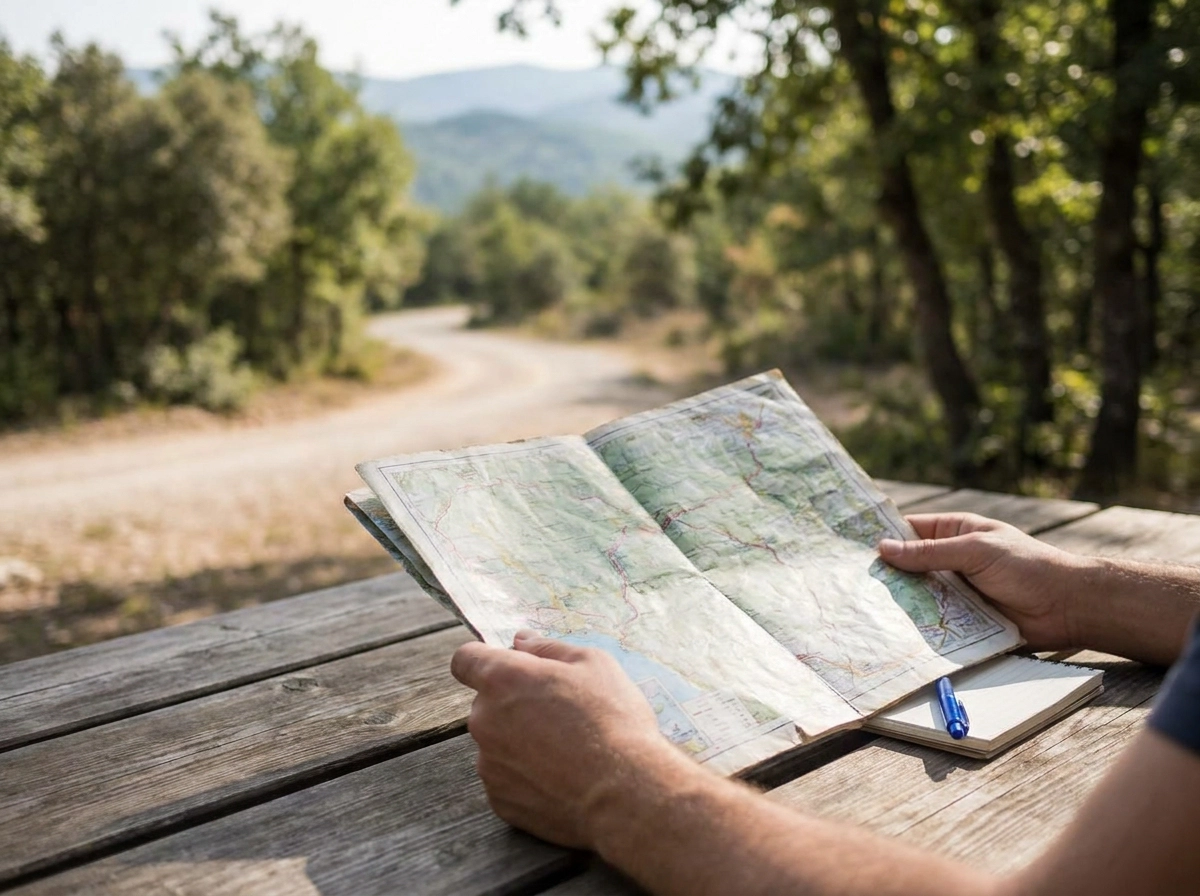
For route planning, download offline maps before you leave (Google Maps, Maps.me or Avenza works well for Parks Victoria trail maps). Check Parks Victoria and VicRoads for any current road or trail closures, and leave buffer time for unplanned stops at scenic lookouts.
The good news for Melbourne visitors is that the main attractions sit close to the South Gippsland Highway and Princes Highway corridors. No complicated back-roads navigation required.
Make the Most of It: Staying in Gippsland for a Waterfall Weekend
Once you've mapped out your route, the next question is simple: where are you sleeping?
Basing yourself in Gippsland rather than driving back to Melbourne each night is what turns a single waterfall visit into a proper weekend. Warragul is the most practical base for Toorongo Falls and the Noojee area. Moe and Traralgon sit closer to Walhalla and the surrounding valley country. If you'd rather wake up already deep in the landscape, hinterland cabins and farm stays put the forest right outside your door.
Staying locally also opens up everything else Gippsland does well. After a morning on the trails, you can explore hinterland towns, then wind down or drive down to the coast for the evening. It's a very different pace from a rushed there-and-back.
Gippsland Holidays is a good starting point for finding accommodation that suits your travel style, whether you're after a self-contained cottage, a family-friendly retreat or a couples' escape. Browse the options to find something close to your planned waterfall route and let the region do the rest.
Practical Tips Before You Head Out
Before you set off, a few quick checks will save you time and keep you safe on the trail.
- Check before you go. Check the VicEmergency website (emergency.vic.gov.au) or Parks Victoria's conditions listing for current road access and fire restrictions affecting state forest reserves before you travel. Access roads to reserves like Toorongo Falls can close after heavy rain or during high fire danger periods, sometimes with short notice.
- Wear shoes with grip. Smooth-soled sneakers are a liability near waterfall bases. Spray and permanent shade keep rocks wet year-round, even on otherwise well-maintained trails. Trail runners or hiking boots with rubber grip make a genuine difference.
- Pack more water than you expect to need. Carry more water than you think you need, return sections of hinterland trails are often uphill, especially in warmer weather.
- Download your maps offline. Mobile coverage is limited or absent at most of these locations. Before leaving your accommodation, download the trail map or relevant Parks Victoria PDF, and let someone know your planned route and expected return time. Checking activity-specific conditions before any outdoor activity is always a good habit.
- Respect fire restrictions. Many of these reserves border state forest. Total fire ban days and seasonal restrictions can affect access entirely.
Ready to Find Your Falls?
Once you've sorted your practical prep, the only thing left is picking your route and heading out.
Gippsland's hinterland genuinely delivers a cluster of rewarding waterfalls within reach of most visitors, whether you're driving up from Melbourne for the day or settling in for a proper regional stay. Toorongo Falls is the natural starting point, with Walhalla and Big River country for those with more time.
Browse Gippsland Holidays to find a place to stay close to your chosen route, whether that's a self-contained cottage near Warragul or something deeper in the hinterland.
Gippsland rewards the visitors who slow down. Come and see for yourself.
Conclusion
The waterfalls are there, the routes are manageable, and the scenery more than justifies the drive. All that's left is choosing your first stop.
Browse Gippsland Holidays to find accommodation close to your route and start planning your visit.
Frequently Asked Questions
What is the best time of year to visit Gippsland waterfalls?
Winter (June to August) brings the strongest waterfall flows and offers atmospheric conditions with mist hanging through fern gullies. However, autumn (March to May) provides a good balance of moderate temperatures, early seasonal rain, and deciduous colour in the hinterland. Summer typically sees lower water levels at smaller cascades, while spring offers lush greenery and longer daylight hours for combined waterfall and township visits.
How long does it take to drive to Toorongo Falls from Melbourne?
Toorongo Falls sits firmly in day-trip range from Melbourne's CBD. From Warragul it's a comfortable drive of under 90 minutes. The drive becomes more interesting when you route through the Gippsland countryside rather than staying on the freeway the whole way, making it an ideal destination for either a day trip or the starting point of a longer regional stay.
Do I need special equipment or vehicles to visit all the Gippsland waterfalls?
Most waterfalls like Toorongo Falls and Walhalla are accessible with standard vehicles and regular hiking boots or trail runners. However, for more remote areas like Aberfeldy and Big River country, a 4WD or high-clearance vehicle is recommended for accessing remote creek points, though established riverside picnic areas are accessible to standard vehicles. Essential gear includes trail shoes with grip, waterproof layers, sunscreen, and a refillable water bottle.
Are the waterfall trails suitable for all fitness levels?
Yes, Toorongo Falls features a short return walk suitable for most fitness levels. However, difficulty varies across locations. Trails may include uphill sections, particularly on return routes in warmer weather, so adequate water and reasonable fitness are important. The content recommends checking Parks Victoria's trail maps and current conditions before visiting to match the walk to your ability level.
What is the best way to plan a multi-day Gippsland waterfall trip?
Consider basing yourself overnight in Gippsland towns like Warragul, Moe, or Traralgon rather than day-tripping from Melbourne. A popular two-day route includes Day 1: Toorongo Falls and Lady Talbot Falls from a Warragul base with lunch in Noojee, and Day 2: Walhalla valley and creek walks, returning via Moe. Before departing, download offline maps, check Parks Victoria for road/trail closures, and inform someone of your planned route and expected return time.