
Walhalla is the kind of town that looks, from the road, like a photo stop. A few dozen buildings tucked into a steep Gippsland valley, a goldmine headframe, a railway, and then you're back in the car. But here's the thing: the town only really opens up once the day-trippers head home. Stay two nights and you get the goldfields history at a gentler pace, the creek walks and rail trail near your door, and an evening that belongs to the town.
This guide is here to show you what that actually looks like. We'll start with why Walhalla rewards two nights rather than a day trip, then cover the drive from Melbourne, an afternoon on foot, and the first evening a day trip never reaches. From there it's the second morning that sells the whole idea, plus creek walks, the rail trail, the history, a slow afternoon, and the best time to visit. We'll also look at what kind of stay makes the town work as a base, including what to look for in accommodation walhalla gippsland, before weighing up the two-night case.
Why Walhalla Rewards Two Nights, Not a Day Trip
Many Melbourne visitors treat Walhalla as a stop on longer Gippsland loops, leaving again the same day and missing the best hours. One night changes that. Once the day visitors go, the streets settle and the town feels lived in, not staged.
The second night is the payoff. You wake with no drive and no packing, so a long walk, the mine tour and a slow breakfast all fit without being cut short. Two nights is not about filling time in a small town; it removes the clock. Day one settles you in, day two lets you go further and stay out longer.
Elsewhere, rail-trail towns show this: an East Gippsland operator attributes roughly 15% of warmer-month business and about 70% of cooler-month business to the trail (Rail Trails Benefiting Local Communities 2021). These aren't Walhalla figures, but they show how trail links turn day visitors into overnighters. Try this base-first long weekend plan.
Getting There from Melbourne
The drive is part of the trip, not dead time. Walhalla sits in a steep valley in the hills behind the Latrobe Valley, east of Melbourne, so check current routing and drive times before you leave.
Aim to arrive mid-afternoon, not dusk. That leaves light for finding parking, meeting your host and walking the main street. Bring what you need for your stay with you, so a self-catered meal is easy. Assume at least one self-catered meal, because a small town has limited shopping, and confirm what is open before you arrive.
Pack for a valley: layers, wet-weather gear and shoes with grip. The town sits low and shaded, and the walks are unpaved. Then park the car and leave it. Walking everywhere is the whole point. If you're adding a detour on the way home, these Gippsland waterfall day trips slot in neatly.
Day One: An Afternoon on Foot
With the car parked and your bags dropped, walk the main street end to end in one pass. It is small enough that you will have your bearings by late afternoon, which is why a quick visit feels rushed. Read the buildings as a sequence rather than a checklist, and let the layout tell the gold-rush story. Then take a short stroll by the creek, both as a warm-up and to find tomorrow morning's trailhead, so day two starts without the guesswork. Keep one indoor attraction up your sleeve for day two, a wet-weather option that doesn't depend on the forecast. And sort dinner while you walk, confirming what is open and when, with simple supplies at your base as backup. If you are leaving the car behind, train and coach options can get you to Gippsland, and this is a town best explored on foot once you are here.
The First Evening: The Part a Day Trip Never Reaches
That dinner plan matters more than it sounds. Once the day visitors head home, the street empties and the valley settles. You'll notice the quiet more than anything else, so lock in an early meal if the town's options are limited, or cook at your base.
After dark, take a torch and walk a block. The town under the hills feels different at night, and it's five minutes from your door. Keep the beam low.
Treat this as a reset, not a big night out, because day two is the walk-heavy one. If the weather allows, sleep with the window cracked; the creek becomes the soundtrack, and it's the bit people remember. Extending the trip? A locals' guide to Lakes Entrance covers another side of Gippsland.
Day Two: The Morning That Sells It
Start early to dodge the heat and the day-tripper wave; the walks are at their best before mid-morning. Pick one long walk plus one indoor stop, or two shorter walks, and nothing else. Trying to stack breakfast out, a mine tour and a long rail-trail leg into one morning will flatten the whole point. Expect the street to be close to empty before mid-morning, particularly midweek, though not guaranteed. If early starts are your habit, these morning walks by the coast show the same instinct elsewhere in Gippsland.
Creek Walks and the Rail Trail, Straight from the Door
Once you're out the door, the car stays parked. From a town-centre base you have two easy walk types: creek-side paths through town, and the old railway alignment heading down the valley. Before committing to a long leg, confirm current trail information locally via signage, visitor information or your host. Surfaces vary, so check what is suitable for your group. A short creekside loop suits families and anyone with limited mobility, while the longer valley leg is better for walkers with proper shoes and a few hours up their sleeve. Rail trails do bring visitors into regional towns, and a walker-friendly stop is a good reason to stay overnight (Rail Trails Benefiting Local Communities 2021). Carry water, snacks and a charged phone, and tell someone your route before setting out. If you're bringing bikes, see Gippsland rail trail rides.
Goldfields History Without the Day-Trip Crush
Once you've stretched your legs on the trail, give the history its due. Gold mining is why Walhalla exists, and the surviving buildings, machinery relics and hillside cemetery are the record of it.
Save it for day two. Do the underground mine tour or the interpretive stops late morning or early afternoon, once day visitors have thinned. Check current operating days and book ahead in peak periods. If your timing allows, line your dates up with the Gippsland events and markets calendar.
Skipping the tours? A self-guided walk between the historic markers and the cemetery is a simple way to take the story in at your own pace.
Keep to paths and signage, and photograph from the street.
A Slow Second Afternoon
Once the history has had its say, leave the afternoon open. A long lunch, a book in the sun, or a short second wander suits the pace. If packing up, do your long walk in the morning and drive home in daylight, stopping in a larger town for fuel and food. Consider a different route out to see more of Gippsland, but confirm road conditions first. For a wet afternoon, see these family wet-weather ideas if you are travelling with kids.
When to Go: Seasons, Weather and Weekday vs Weekend
Once the shape of your trip is set, timing decides how much of it you actually get.
Spring and autumn are the sweet spots for a walking-based stay: the days are generally mild, and the valley's shade works in your favour as things warm up. Winter is colder and quieter, so ask your host about heating, pack seriously, and treat a wood heater or fireplace as a genuine drawcard.
Summer suits long walks and creek time, though weekends and school holidays get busy, so book early and start walking before the heat builds. Midweek is where the quiet-town feeling is strongest; weekends are livelier. Pick your trade-off deliberately.
Before you go, check fire danger ratings and total fire ban days in summer, road closures and fallen timber after storms, and whether the walks and tours you're counting on are running. Timing sorted, the next decision is where you base yourself.
What Kind of Stay Makes Walhalla Work as a Base
Once you've picked your dates, the next decision is the stay itself. Two nights work when your stay removes friction: you can walk to the main street and trailheads, cook at least one meal, and stay warm at night. Keep that test in mind.
The town is small, so it pays to check how walkable a stay really is before you commit. For busier periods, ask the host to confirm what is actually walkable from the door.
Staying out in the surrounding valley or a neighbouring town adds options, but build in the drive each way. It cuts into the evening quiet and the early-morning walk that make the two-night base worthwhile.
Gippsland Holidays is a straightforward place to browse accommodation options across the region, and the site's wider Gippsland weekend-escape and things-to-do guides are worth a look if you're extending the drive home.
What to Look For in Walhalla Accommodation
Once you have a shortlist of Walhalla accommodation, check these details before booking.
- Walkability: Ask how far the door is from the main street and trailhead on foot, and whether that walk is comfortable and lit after dark.
- Self-catering: Look for a kitchen, or at least a fridge, kettle and microwave, since evening food in a small town can be limited or booked out.
- Warmth: Confirm effective heating and spare blankets, and ideally a wood heater or fireplace.
- Access and parking: Check for off-street parking, and ask whether the final approach is steep or unsealed, which shapes a winter or wet-weather arrival.
- Gear handling: Ask for secure, dry storage for bikes or wet walking gear, plus a hose or drying space if you are riding the trail.
Before booking, ask hosts two direct questions: which walks are currently open from town, and which dining options are operating during your dates. Those answers will tell you more than photos.
Frequently Asked Questions
With those criteria in hand, here are the questions readers ask most.
Is Walhalla worth staying overnight? Yes, if you want the walks, the goldfields history and the evening quiet. Be realistic: check what dining is available for your dates, and know the main street alone fills an afternoon.
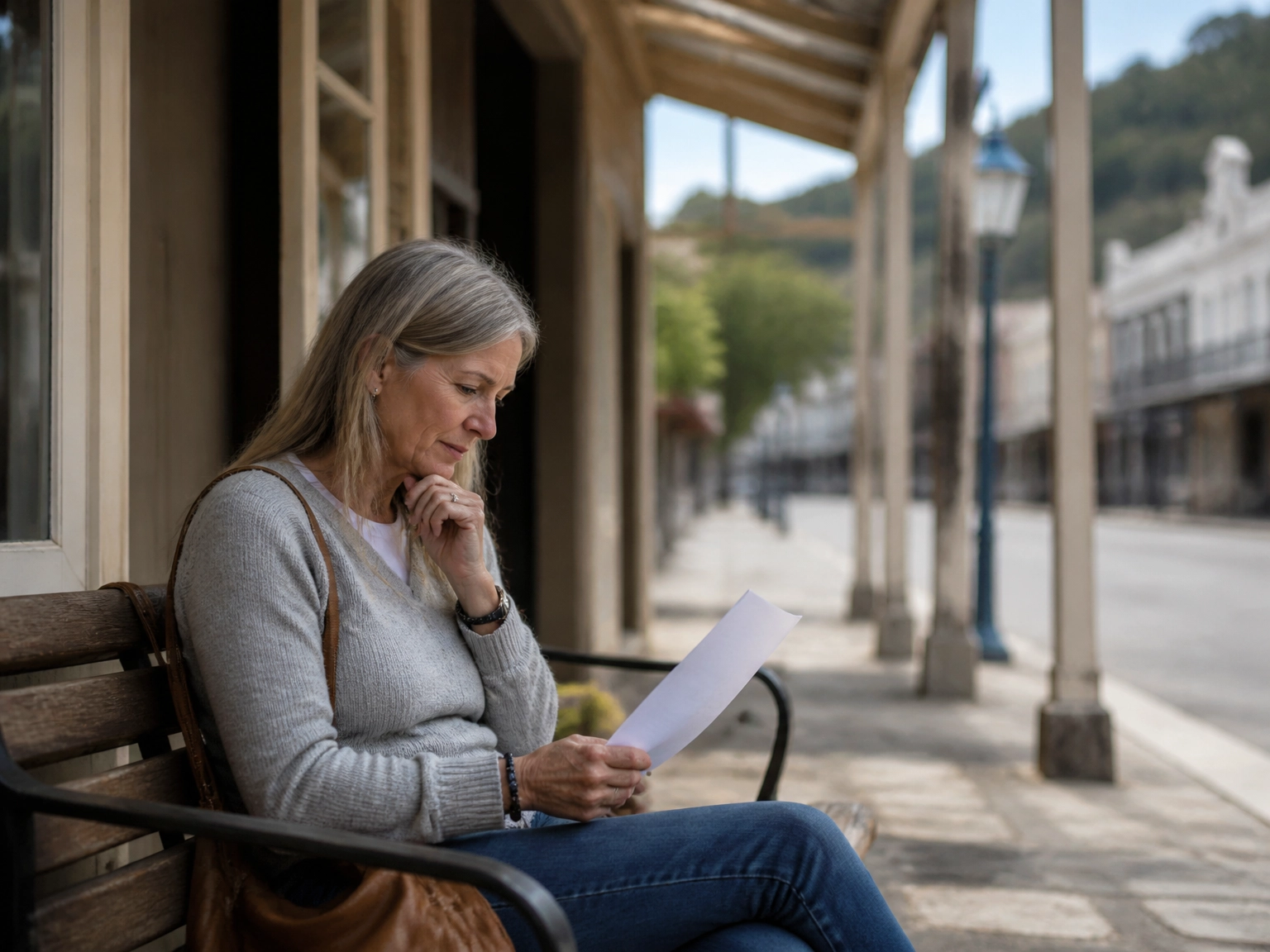
How many days do you need? Two nights with one full day between them. The second morning is what makes it feel unhurried rather than squeezed.
How far is Walhalla from Melbourne? It sits east of Melbourne, in a steep valley behind the Latrobe Valley. Check current mapping and road conditions before leaving, especially after storms.
When is the best time to visit? Spring and autumn for walking, midweek for quiet. Check fire danger in summer and confirm heating in winter.
Where should I stay? Look for somewhere walkable, with self-catering and heating, and treat parking and trail access as practical considerations.
The Two-Night Case, Weighed Up
If you only have an afternoon, still go, but expect a look rather than a stay, and consider a Gippsland base that suits the rest of your itinerary. Otherwise, build the two nights around that second morning.
Conclusion
Two nights in Walhalla turn a quick look into a proper stay. You get the main street without the day-trip crush, a quiet valley evening, and a second morning free for one long walk from your door. Staying walkable, with heating and a kitchen, makes the small-town rhythm easier, especially midweek in spring or autumn. Check current walking access, tour days and dining options close to your dates, as services shift with the season. The value is in the unhurried space between arrivals and departures, not a longer list of sights.
Your next step is simple: choose a midweek spring or autumn date, book a walkable stay early, and protect that second morning. Then browse accommodation options across Gippsland and build the weekend around it.